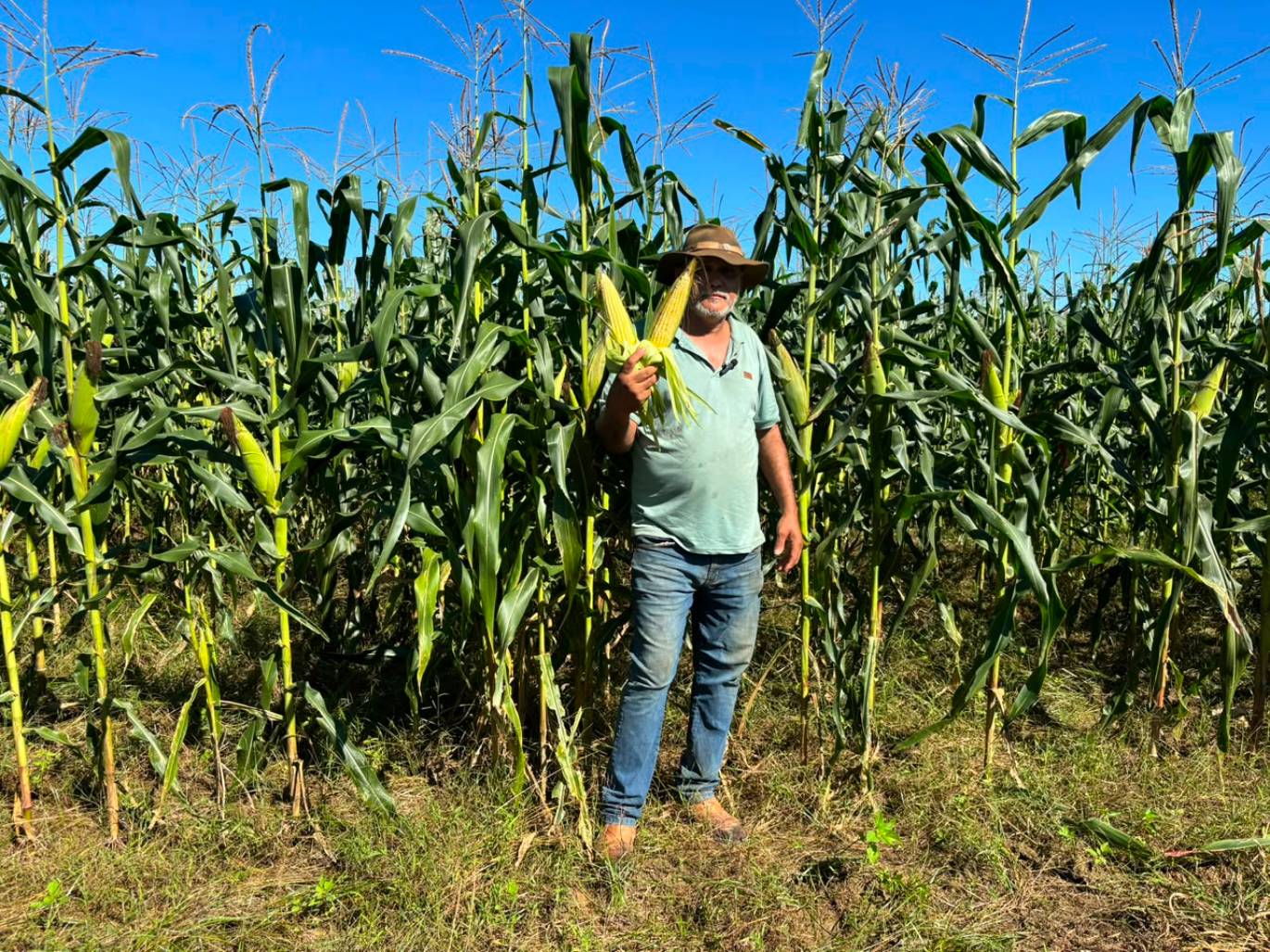
Traditional in Rio de Janeiro's agriculture, corn is cultivated in various regions of the state and plays an important role in local family farming and the rural economy, especially during the June festivities. According to Emater-Rio, the crop involves around 600 producers, with an estimated production of 4,800 tons of grains cultivated on more than 1,100 hectares, generating an annual revenue of approximately R$ 6.8 million. Among grain crops, corn stands out as the one with the highest revenue and also the one that occupies the largest production area in the state. The northern region of Rio de Janeiro leads the activity, accounting for 54% of the state's production, with the municipality of Macaé being particularly noteworthy. In the northwest of Rio de Janeiro, Varre-Sai concentrates 24% of the state's cultivated area. While in the countryside corn drives the economy and generates income for producers, in the cities it becomes one of the protagonists of the June festivities. The grain is present in several typical recipes that help keep alive one of the most traditional celebrations of Brazilian culture. The State Secretariat of Agriculture emphasizes the importance of supporting agricultural products from Rio de Janeiro during the June festivities, encouraging local production and generating opportunities for rural producers in all regions of the state. During this period of increased demand, corn gains even more relevance, reaching fairs, markets, popular festivals, and keeping alive a tradition that unites culture, gastronomy, and rural development. Pamonha, canjica, curau, corn cake, and popcorn are some of the foods that cannot be missing from the festivities. For these delicacies to reach consumers' tables, the work of rural producers is essential throughout the entire cultivation cycle of the crop.
This text was translated by machine from Brazilian Portuguese.