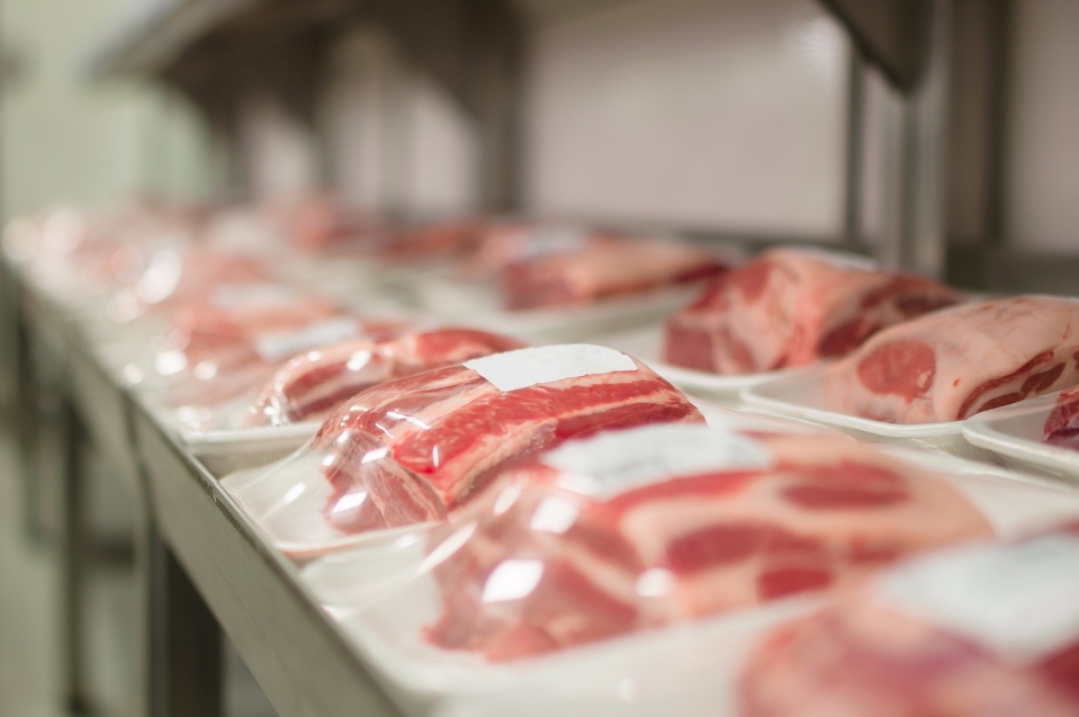
Although China remains the main buyer of beef produced in Mato Grosso, it is the European markets that offer the highest remuneration for the state's product. Data from the Mato Grosso Institute of Agricultural Economics (Imea) shows that, in the first half of the year, the European Union paid an average of US$ 6,390 per ton of Mato Grosso beef, while other European countries paid US$ 6,667 per ton. These values exceed the average price paid by China by up to 40%, which was US$ 4,745 per ton. This difference highlights an increasingly important strategy for Mato Grosso's livestock industry: in addition to expanding markets, it is crucial to conquer destinations that offer better remuneration for the meat produced. Although China absorbed 55.2% of Mato Grosso's shipments in the first half of the year, European markets stand out due to the higher added value of exported products and the demands related to quality and traceability. This scenario is also reflected in the Export Attractiveness Index, an indicator developed by Imea that compares how much each market pays for beef in relation to the value of a 15 kg unit of live cattle in Mato Grosso. In practice, the index measures the capacity of each destination to generate economic returns for the production chain: the higher the index, the greater the added value obtained from exports. In this ranking, the European Union leads with an index of 108.49, followed by other European countries (98.59). In comparison, China registers an index of 74.37, behind the Middle East (76.58) and North America (75.47). The numbers show that, although it buys a smaller volume, the European market provides significantly higher remuneration for Mato Grosso beef. “China will continue to be a strategic partner due to its capacity to absorb large volumes, but the advancement of Mato Grosso beef in markets such as the European Union demonstrates that our producers are also prepared to meet the needs of consumers who value quality, traceability, and regularity of supply. This increases the competitiveness of the chain and adds value to production,” assesses Bruno de Jesus Andrade, Director of Projects at the Mato Grosso Institute of Meat (Imac). According to Andrade, expanding the presence in more demanding markets strengthens the entire production chain and reduces dependence on a few buyers. “Diversifying markets means increasing the commercial security of Mato Grosso livestock. The greater the participation in destinations that pay more for the product, the greater the incentive for investments in technology, genetics, productive efficiency, and socio-environmental compliance programs,” he emphasizes.
This text was translated by machine from Brazilian Portuguese.