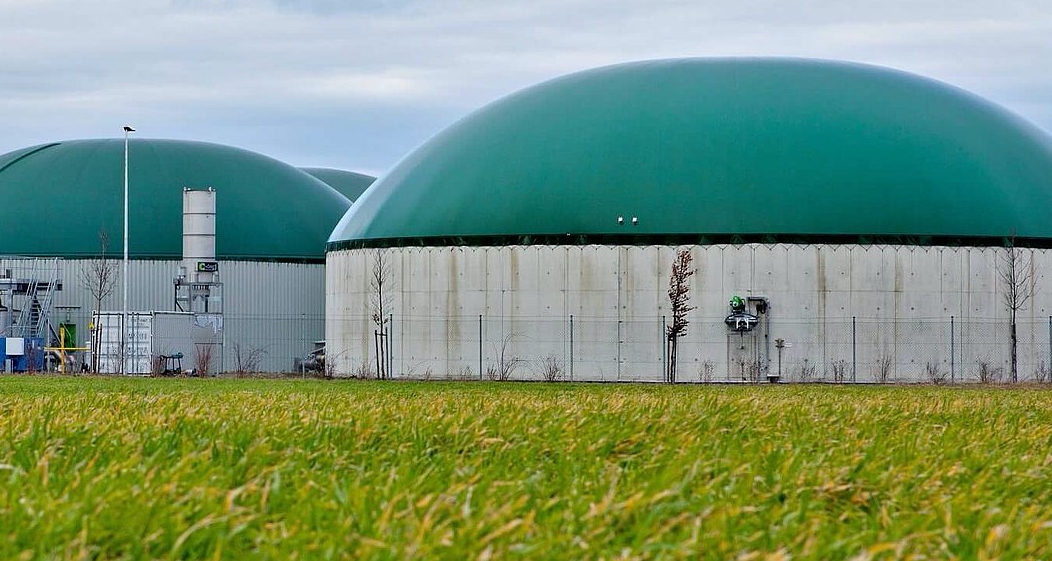
The number of environmental licenses issued for biomethane projects in São Paulo grew by more than 235% between 2024 and 2025, according to a survey by the São Paulo State Environmental Company (Cetesb), amidst the expansion of investments in renewable fuels and the maturing of regulations for this type of undertaking. In recent years, the biomethane agenda has advanced significantly in the State. Through Joint Resolution SEMIL/SAA No. 001/2024, the Secretariat of Environment, Infrastructure and Logistics (Semil), the Secretariat of Agriculture and Supply (SAA), and Cetesb established guidelines for the development of procedural standards for environmental licensing. Based on these guidelines, Cetesb structured specific technical procedures for licensing these plants, with standardized criteria to evaluate stages such as biogas capture in landfills and treatment plants, purification systems that transform the gas into biomethane, and methods of fuel storage and transportation. Standardization also includes parameters for emissions control, waste management, and operational safety, which has made environmental analysis more predictable and reduced the need for technical reassessments throughout the process. In absolute numbers, 87 licenses for biogas and biomethane were issued by Cetesb in 2025, compared to 26 the previous year. The data points to the decentralization of investments. Only 6% of the licenses were concentrated in the capital last year, while 94% are distributed among municipalities in the interior and other regions of the state. In total, 81 cities already concentrate initiatives related to biomethane production. Among the sectors that most demand environmental licensing are solid waste and sanitation, responsible for 41.2% of the licenses in force in 2025, equivalent to 47 projects aimed at generating biofuel from urban waste and effluents. According to the CEO of Cetesb, Thomaz Toledo, the sector's progress is also linked to the modernization of environmental analysis processes. "With the biomethane procedures launched in 2024, we managed to connect regulation to the advancement of public policies for decarbonization in the State of São Paulo. A clear direction coupled with technology and efficient management has brought about this excellent result," he states.
Industry accelerates adoption of biomethane.
Large companies are beginning to incorporate biomethane into their industrial operations. In Paulínia (SP), OneBio, the largest plant in the country – and in Latin America – for the production of this renewable fuel, has begun operations. Located in the Ecoparque Paulínia, owned by Orizon (an integrated platform of sustainable solutions for waste valorization), OneBio transforms biogas generated by the decomposition of urban waste into biomethane and has the capacity to produce up to 225,000 m³ per day, a volume sufficient to fuel more than a thousand buses. In Cajamar (SP), Natura has started using biomethane in its production line, with one of its boilers operating at up to 98% of its capacity and an estimated consumption of approximately 600 m³ per day. In this way, approximately 45% of all energy used is from renewable fuel, which powers 28 transport trucks between the factory and distribution centers in the largest cosmetics operation in Latin America. The projection for 2026 is for annual consumption of 3.5 million cubic meters of biomethane, a volume equivalent to the energy use of approximately 30,000 homes. According to data from the National Agency of Petroleum, Natural Gas and Biofuels (ANP), São Paulo already has nine authorized biomethane plants, with a production capacity of approximately 755,000 m³ per day. More than seven units are in the authorization phase and could increase this volume to 1 million m³ per day by December 2026. With an estimated potential of up to 6.4 million m³ per day, the state is emerging as one of the main biomethane production hubs in the country, as indicated by a study commissioned by the Federation of Industries of the State of São Paulo (FIESP), with technical and institutional support from Semil. The renewable fuel, obtained from the purification of biogas generated by organic waste and effluents, is being pointed out as an alternative to reduce emissions in energy-intensive sectors, such as industry and agribusiness. According to the Secretary of Semil, Natália Resende, the significant growth in the number of licenses for biomethane projects reflects the State's effort to create a clear and predictable regulatory environment for new investments. “By establishing specific guidelines and procedures for licensing, we are able to provide greater legal certainty to entrepreneurs and accelerate the implementation of projects that contribute to the energy transition,” she explained. “The expansion of the biogas and biomethane chain also reinforces a trend towards a circular economy, transforming waste and effluents, traditionally seen as environmental liabilities, into a source of energy and input for the energy transition,” adds Toledo.
This text was translated by machine from Brazilian Portuguese.