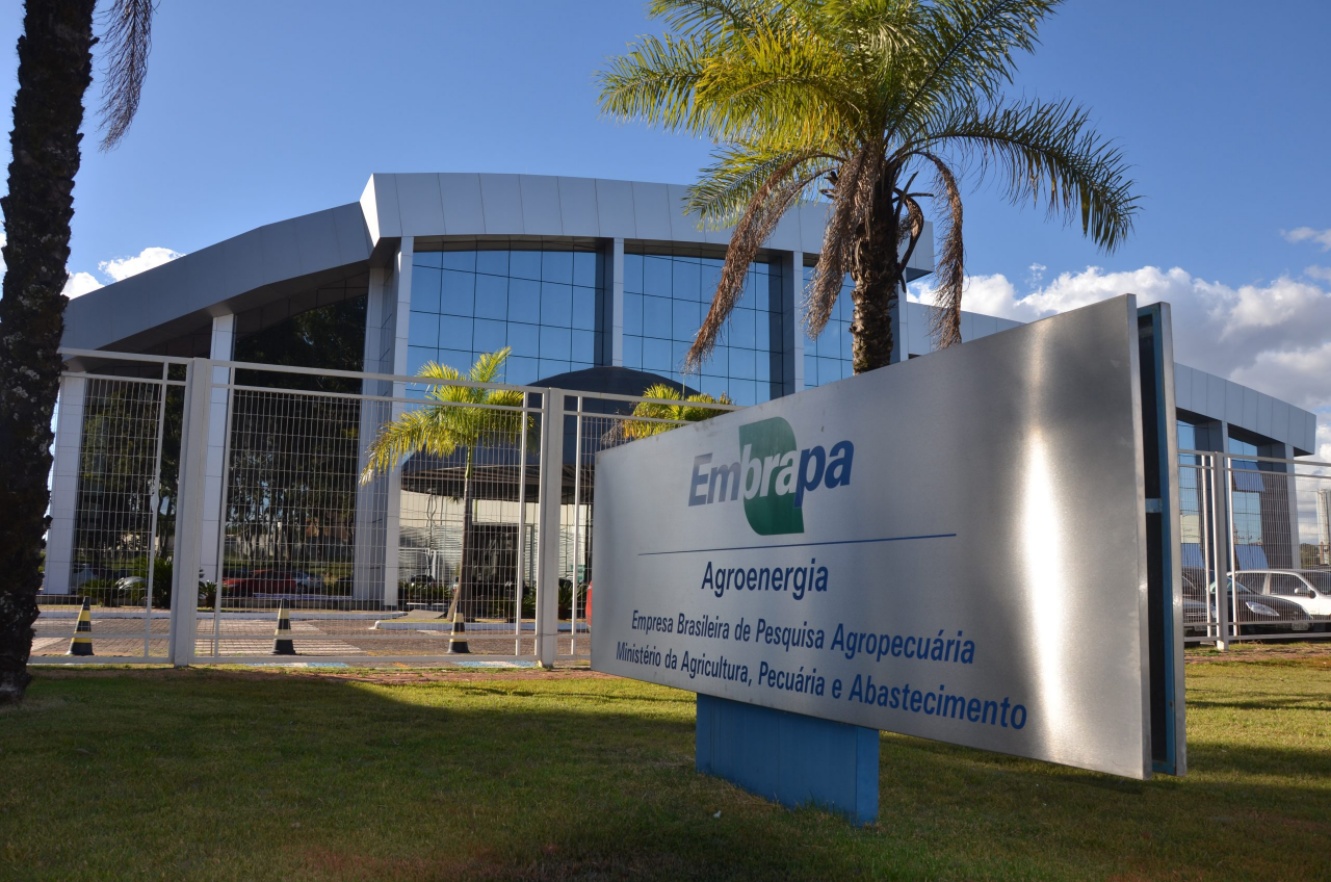
Embrapa Agroenergia, one of Embrapa's 43 research centers, is celebrating its 20th anniversary. To mark the date and, above all, the Unit's achievements, the public agricultural research company is announcing a series of new developments this Wednesday (27). Prior to the event, the head of Embrapa Agroenergia, Alexandre Alonso, will receive journalists at 9 am to announce projects and initiatives. Parliamentarians, diplomatic authorities and representatives of partner companies will be present. Unlike other Embrapa units that work directly in the field, Agroenergia stands out for connecting agriculture to industry, with work involving biomass and agro-industrial processes, through biorefining, the use of waste and the generation of bioproducts (biostimulants, bio-inputs, biogas, etc.). In other words, everything is based on renewable raw materials and contributes to a circular economy.
New projects and initiatives:
– Bioinova – A strategic network project that will develop scientific solutions to expand the contribution of Brazilian agriculture to the decarbonization of the economy. The project will have record funding of R$ 14 million from Finep. Learn more: bit.ly/4v5yOBP – MapCanola – The project "Mapping the Potential for Expansion of Canola as a Second Crop in Brazil" will be announced exclusively at the ceremony and aims to technically and strategically assess the areas with the greatest aptitude for the sustainable expansion of canola in the country, especially in second-crop systems after soybeans and corn. MapCanola seeks to strengthen canola as an alternative for productive diversification, crop rotation, income generation, and expansion of the raw material base for sustainable biofuels, such as renewable diesel and Sustainable Aviation Fuel (SAF). The project has an investment of R$ 3.3 million through regulatory funds from the ANP Law (Law No. 9,478 of 1997). – Embrapa Agroenergia's Innovation Hub for Biofuels and Bioproducts – A new structure to accelerate bio-based technologies and businesses with deep tech. The hub will also have a physical space within the Unit's facilities to foster research and innovation with the public and private sectors. – Bio-input Development and Validation Platform – The platform will develop bio-input prototypes and validate solutions on an agricultural and industrial scale, as well as ensure, through technology transfer actions, that these results are transformed into products, services, and businesses that are effectively accessible to the productive sector and the population. The resources for the initiative came from a parliamentary amendment.
This text was translated by machine from Brazilian Portuguese.