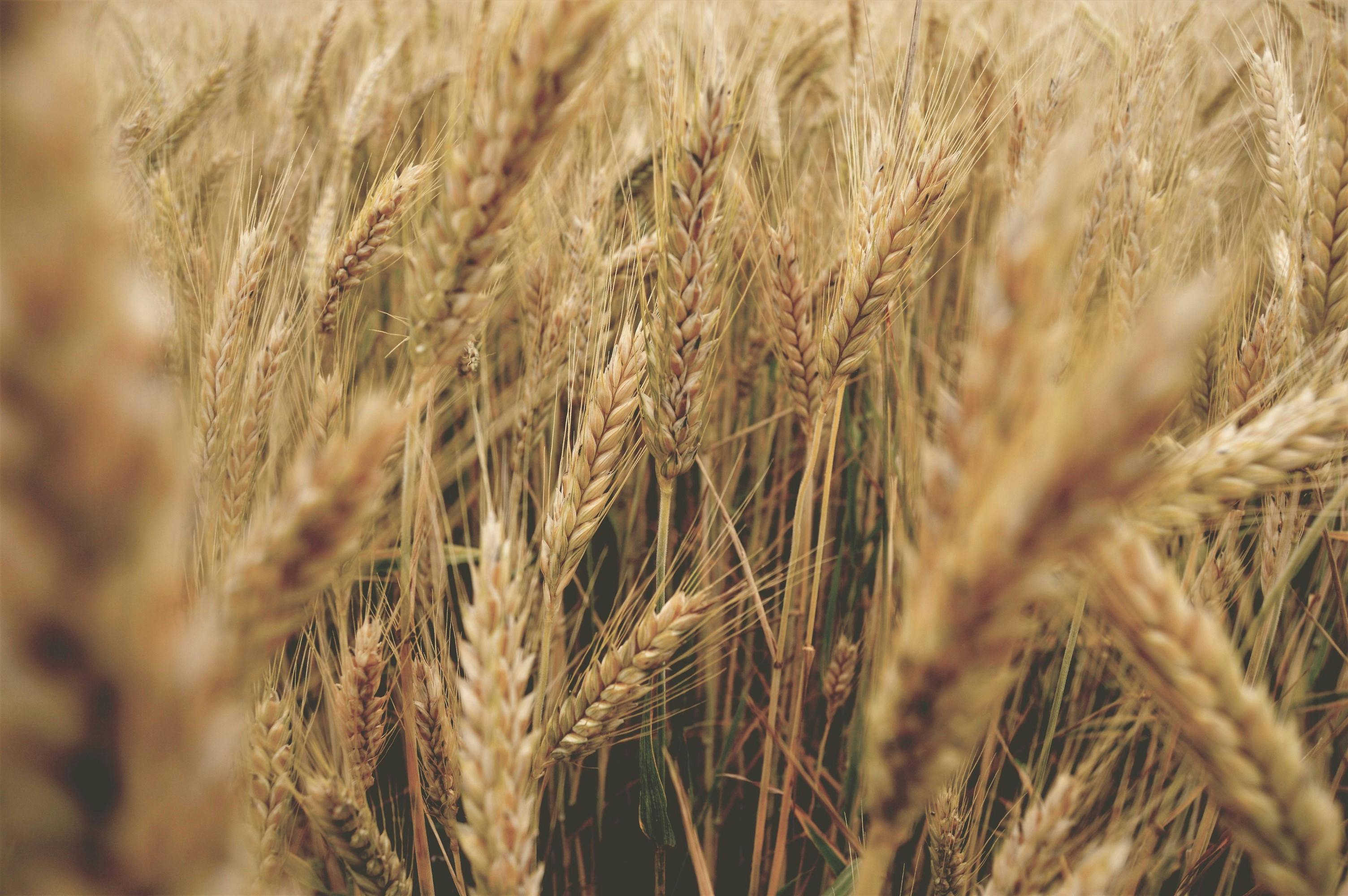
Given the 97% to 99% probability of the El Niño climate phenomenon persisting until early 2027, seven Embrapa units – Temperate Climate (RS), Forests (PR), Southern Livestock (RS), Soybeans (PR), Swine and Poultry (SC), Wheat (RS), and Grapes and Wine (RS) – have prepared a technical note with recommendations to reduce risks in agriculture in the Southern Region. The material guides producers on preventive measures to minimize losses caused by intense rainfall, increased incidence of crop diseases, and other impacts predicted for different production systems. This scenario is indicated by the United States National Oceanic and Atmospheric Administration (NOAA), which also estimates a 63% probability of the phenomenon reaching very strong intensity between November 2026 and January 2027. For the Southern region, the forecast indicates increased rainfall, greater cloud cover, and above-average temperatures during the winter, conditions that could affect different production systems. The Embrapa research centers, responsible for preparing the technical note, comprise the Collaborative Platform for Mitigating Adverse Climate Effects on Agriculture in the Southern Region of Brazil. More than just warning about the risks, the document aims to offer technical information that allows for the advance planning of field activities, reducing losses and avoiding alarmist interpretations about the effects of El Niño. According to researcher Gilberto Cunha, agrometeorologist at Embrapa Trigo, the knowledge accumulated over the last few decades allows producers, technicians, and institutions to act preventively. The document emphasizes that the natural uncertainty of climatic phenomena should not be a reason for inaction, but rather to strengthen risk management based on scientific evidence and constant monitoring. “Today we know much more about El Niño than we did in the 1980s. The challenge is not to predict the phenomenon, but to transform this knowledge into decisions in the field,” he adds. He also highlights that the impacts of El Niño are not inevitable. "The accumulated knowledge about previous events allows us to reduce risks and, in some cases, even take advantage of favorable environmental conditions for certain crops," he says. The strategy proposed by Embrapa combines actions for prevention, mitigation, and risk transfer. In addition to good management practices, the note reinforces the importance of crop insurance and decision-making based on official climate forecasts.
Planning is the main tool.
Among the general recommendations are respecting the Agricultural Zoning for Climatic Risk (ZARC), monitoring forecasts issued by official bodies, carefully planning investments, and adhering to rural insurance programs. At the same time, it provides specific guidelines for each production chain, recognizing that the impacts of El Niño vary according to the characteristics of each crop. The publication also proposes that producers adjust investments and yield expectations to the conditions predicted for El Niño years, avoiding decisions based on scenarios of exceptional productivity and adapting the use of inputs to the real potential of the crops. For winter cereals, such as wheat, barley, and oats, the guidelines focus on disease prevention, fertilization management, and harvest planning. For soybeans, corn, and irrigated rice, the document presents strategies to reduce losses caused by excessive rainfall, improve drainage, protect the soil against erosion, and intensify phytosanitary monitoring. In fruit farming, the guidelines cover crops such as grapevines, apple trees, peach trees, olive trees, and pecan trees, with measures focused on orchard drainage, phytosanitary management, soil conservation, and planning of agricultural operations. The note also dedicates specific chapters to forestry, horticulture, pastures, and cover crops, reaffirming specific strategies for adapting to the predicted climatic conditions. According to researcher Alex Mayer, from Embrapa Clima Temperado, fruit farming is among the agricultural activities most affected by the impacts associated with El Niño, especially due to excessive rainfall and the occurrence of extreme events. "Fruit production is very sensitive. In addition to soil waterlogging, which can compromise the root system and lead to the death of plants, losses can also occur due to strong winds, hail, and erosion, damaging orchards, cultivation structures, and productivity itself," he explains. In addition to technical recommendations for rural properties, the document proposes a broader approach to environmental planning, encouraging actions at the micro-watershed scale, soil conservation, strengthening of natural infrastructure, and adoption of more resilient production systems, such as Agroforestry Systems (SAFs) and Integrated Crop-Livestock-Forestry Systems (ILPF).
Technology transfer and communication
Another highlight of the technical note is the importance of technology transfer and communication with producers. The Collaborative Platform foresees the continuous training of technical assistance professionals and the production of digital content, applications, and easily accessible materials to broaden the dissemination of recommendations. According to José Reinaldo Moraes, a researcher at Embrapa Clima Temperado, “the main message of the publication is that, although El Niño demands attention, it is a predictable event and is not synonymous with a guaranteed problem, but rather a change in risk patterns. Its impacts can be reduced with advance planning, the adoption of good agricultural practices, and access to qualified technical information. These measures are fundamental to increasing the resilience of production systems in the face of predicted climatic events,” he emphasizes. Cunha endorses this: "We can no longer passively accept the inability to deal with adverse impacts." For the researcher, the lessons learned from past climatic events cannot be ignored. On the contrary, they should help to face adversity, maintaining a state of alert and vigilance regarding obstacles that may arise during the peak El Niño alert period.
This text was translated by machine from Brazilian Portuguese.