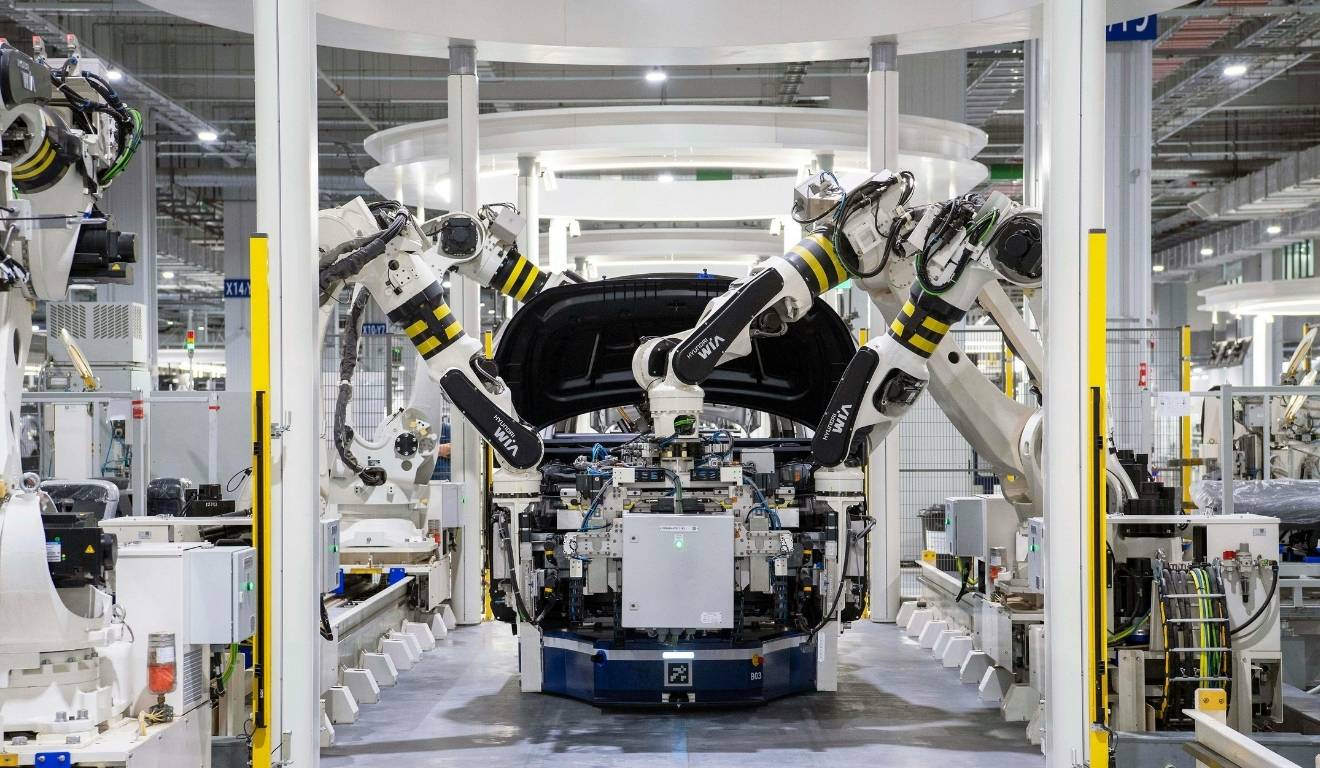
Currently, the Manufacturing electric cars could emit up to three times more greenhouse gases. with regard to the production of combustion engine automobilesTo bring benefits to environment, electrified vehicles They need to travel greater distances than traditional models. The data comes from the study "From cradle to gate: Carbon footprint of light vehicle production manufactured in Brazil", produced by Getulio Vargas Foundation in partnership with Unicampto which the Folha de S. Paulo had exclusive access. The research separates the analyses by car segments (hatchback, sedan and SUV) and by types of propulsion technology (combustion, hybrid, hybrid plug-in and electricAccording to FGV and the Unicamp, the manufacture of a Combustion engine SUVs generate, on average, 5,300 kg of CO2.2and (carbon dioxide equivalent). Although, The electric vehicle in the same segment emits 12,500 kg of CO2andRegarding sedanswhile the combustion engine models They produce an average of 4,700 kg of CO₂.2and, the battery-powered cars They generate 16,200 kg of CO₂.2e. In the case of automobiles in the segment hatchTraditional models emit 4,400 kg of CO2.2And electric vehicles already generate 10,100 kg of CO2.2e. The research covered the entire automotive industry life cyclesince obtaining raw materials until vehicle construction.
This text was translated by machine from Brazilian Portuguese.