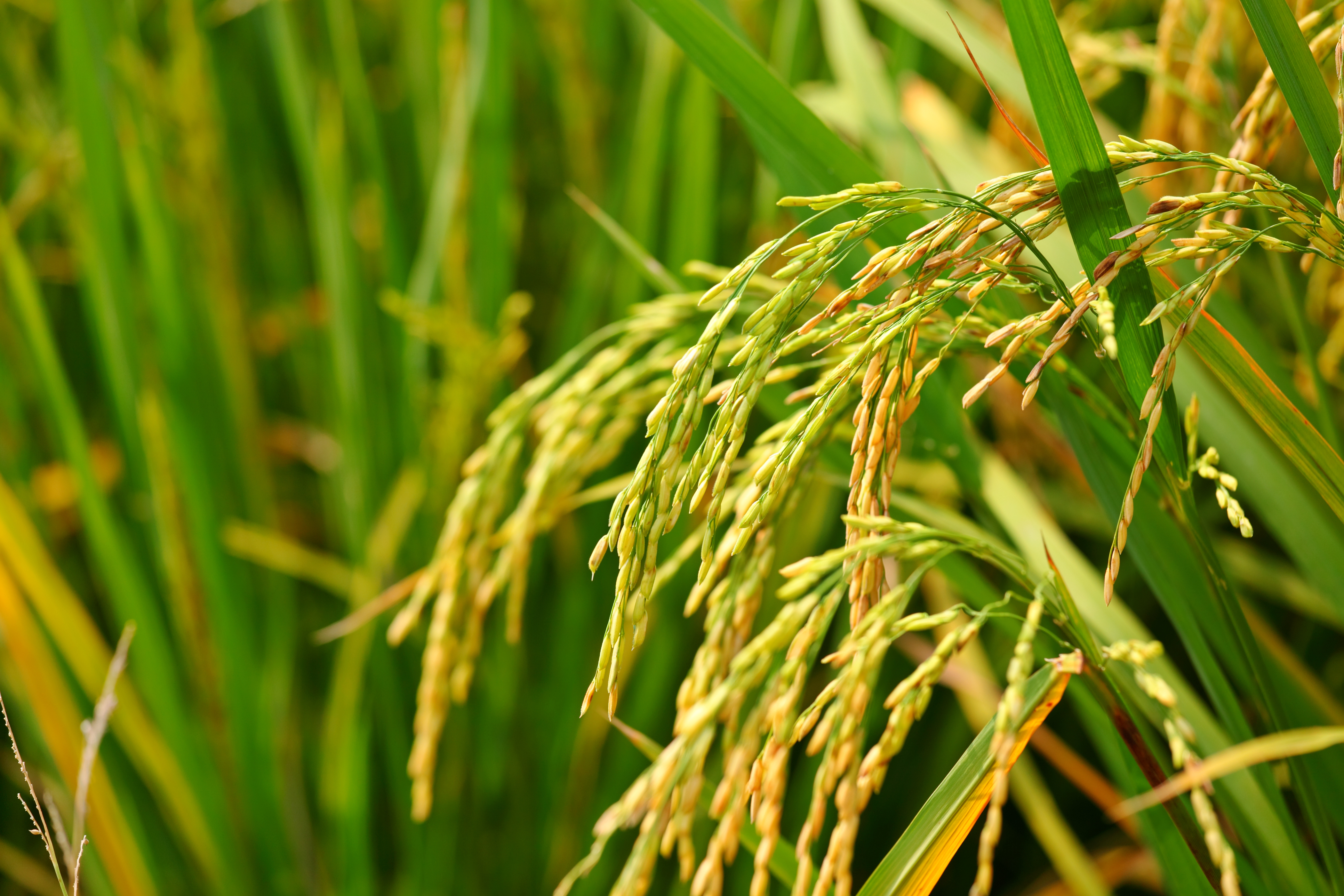
The El Niño phenomenon has a greater than 90% probability of persisting until the beginning of 2027, causing strong climatic contrasts in Brazil, according to monitoring by the Ministry of Agriculture and Livestock (MPLSA). According to forecasts, while the Southern Region will face excessive rainfall and low sunlight, the Central-Northern region of the country will suffer from drought and high temperatures. These conditions modify the crop environment, creating a scenario favorable to the spread of pests and fungal diseases that threaten crop quality. Rice cultivation may face challenges in both irrigated and upland areas, due to waterlogged soil or water stress. Another factor of concern for crops is the occurrence of rice blast, a disease caused by the fungus *Pyricularia oryzae*, which develops rapidly under conditions of relative humidity above 89%, temperatures between 20°C and 30°C, and long periods of leaf wetness. "Rice blast is the most destructive disease of rice. It occurs throughout Brazil and can compromise the entire production," explains Fabio Kagi, Regulatory Affairs Manager of the National Union of the Plant Protection Products Industry (Sindiveg).
Prevention and control
Capable of manifesting itself in all aerial parts of the rice plant and at any stage of plant development, it requires attention as soon as the first visible symptoms appear, such as small brown spots that evolve into rounded spots with sharp ends and a necrotic center, where the fungus reproduces. As the disease progresses, these lesions can merge and compromise extensive areas of the foliage, harming the health of the entire crop. To reduce the impacts of the disease, it is recommended to adopt integrated management. One of the main focuses of this process is contaminated seeds left on the soil, which become sources of inoculum and can be disseminated by rain. “Grain treatment with systemic fungicides is one of the most effective measures currently available. This practice guarantees protection in the vegetative phase against primary infections, usually originating from neighboring crops or crop residues from previous harvests,” highlights the professional. In panicles, preventive protection against the disease is considered critical, as it directly affects grain filling. "The first applications should occur between the rubbery stage and the beginning of panicle emergence, following the recommendations in the product label," Kagi warns.
This text was translated by machine from Brazilian Portuguese.