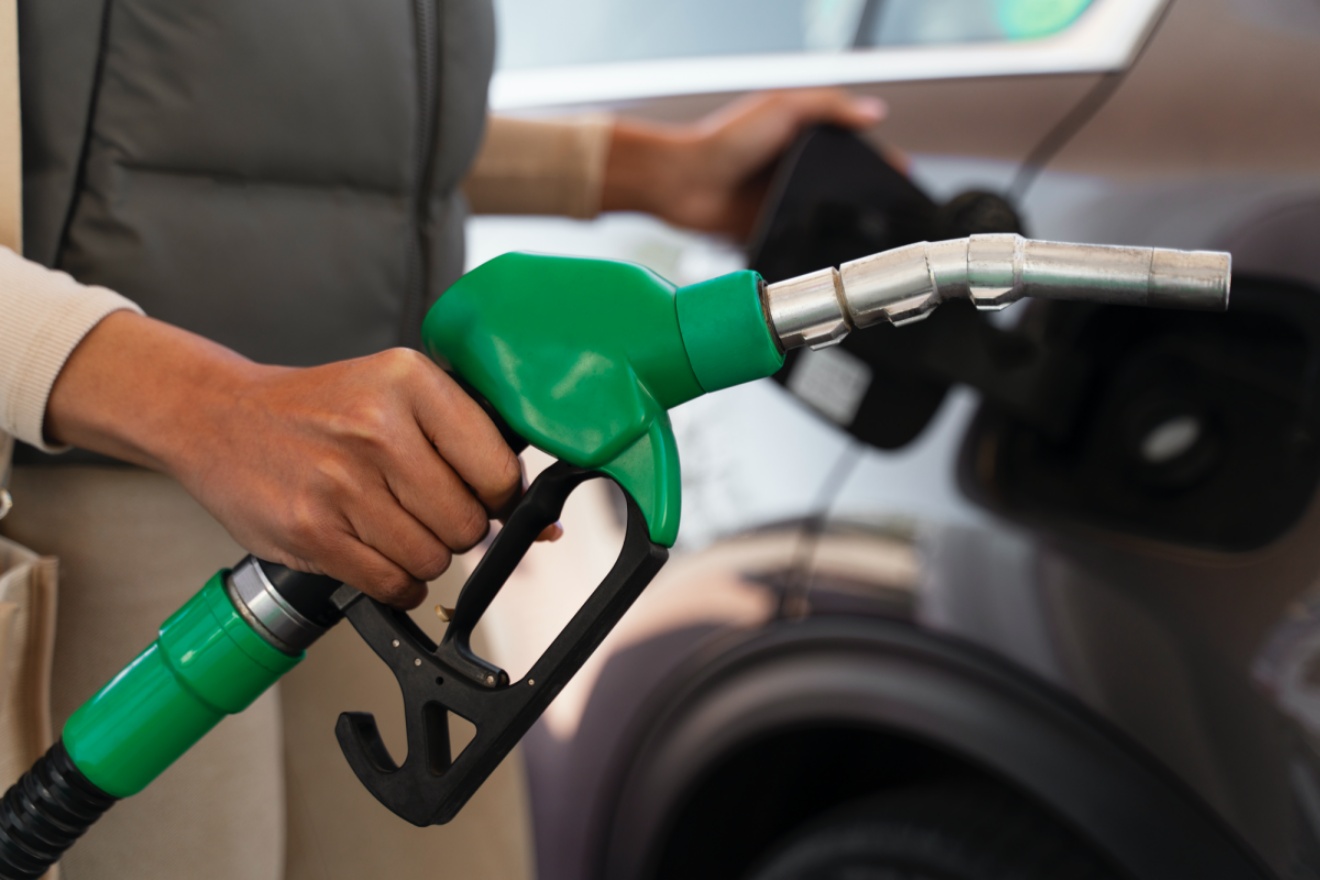
The approval by the National Energy Policy Council (CNPE) of the expansion of the mandatory blending of anhydrous ethanol in gasoline to 32% (E32) represents another step in the evolution of a public policy built over decades, based on scale, predictability, and installed production capacity. The measure reinforces the country's energy security by increasing the share of a renewable source produced in Brazil, contributing to reducing dependence on gasoline imports and increasing predictability in supply, especially in an international scenario marked by volatility. With E32, it is estimated that Brazil will stop importing approximately 800 million liters of gasoline per year. The competitiveness of ethanol has also proven to be an important protective factor for Brazilian consumers. Since the beginning of the recent escalation of tensions in the Middle East, the presence of ethanol in the domestic market has guaranteed significant savings for consumers: without the renewable fuel in the national market, the cost of fuels would have increased by R$ 8 billion in the last three months, or almost R$ 32 billion per year with the import of more expensive gasoline. The move to E32 is in line with Brazil's historical trajectory, which has been operating with high ethanol blends for years, supported by one of the world's largest flex-fuel fleets and a consolidated production chain. From a technical standpoint, the evolution of the blend is supported by studies conducted within the scope of the Fuel of the Future program, including evaluations carried out by the Mauá Institute of Technology, which indicate the viability of using higher ethanol levels without significant impacts on performance, consumption, or drivability, especially in non-flex vehicles and motorcycles. The estimated additional demand with E32 is approximately 1 billion liters of anhydrous ethanol per year compared to E30. The sector already has the capacity to meet this expansion. In this harvest alone, the projected production growth could reach 4 billion liters, with the start-up of new corn ethanol plants and the expansion of supply in sugarcane mills. “Beyond the gains in energy security and competitiveness, E32 reinforces one of Brazil's main strategic advantages: the capacity to expand the use of renewable fuels on a large scale. We are talking about a solution that reduces emissions, generates jobs and income in the interior of the country, and strengthens a production chain in which Brazil is a world reference. Few countries have the conditions that Brazil possesses to simultaneously advance in energy security, decarbonization, and economic development,” says Evandro Gussi, president of Unica.
This text was translated by machine from Brazilian Portuguese.