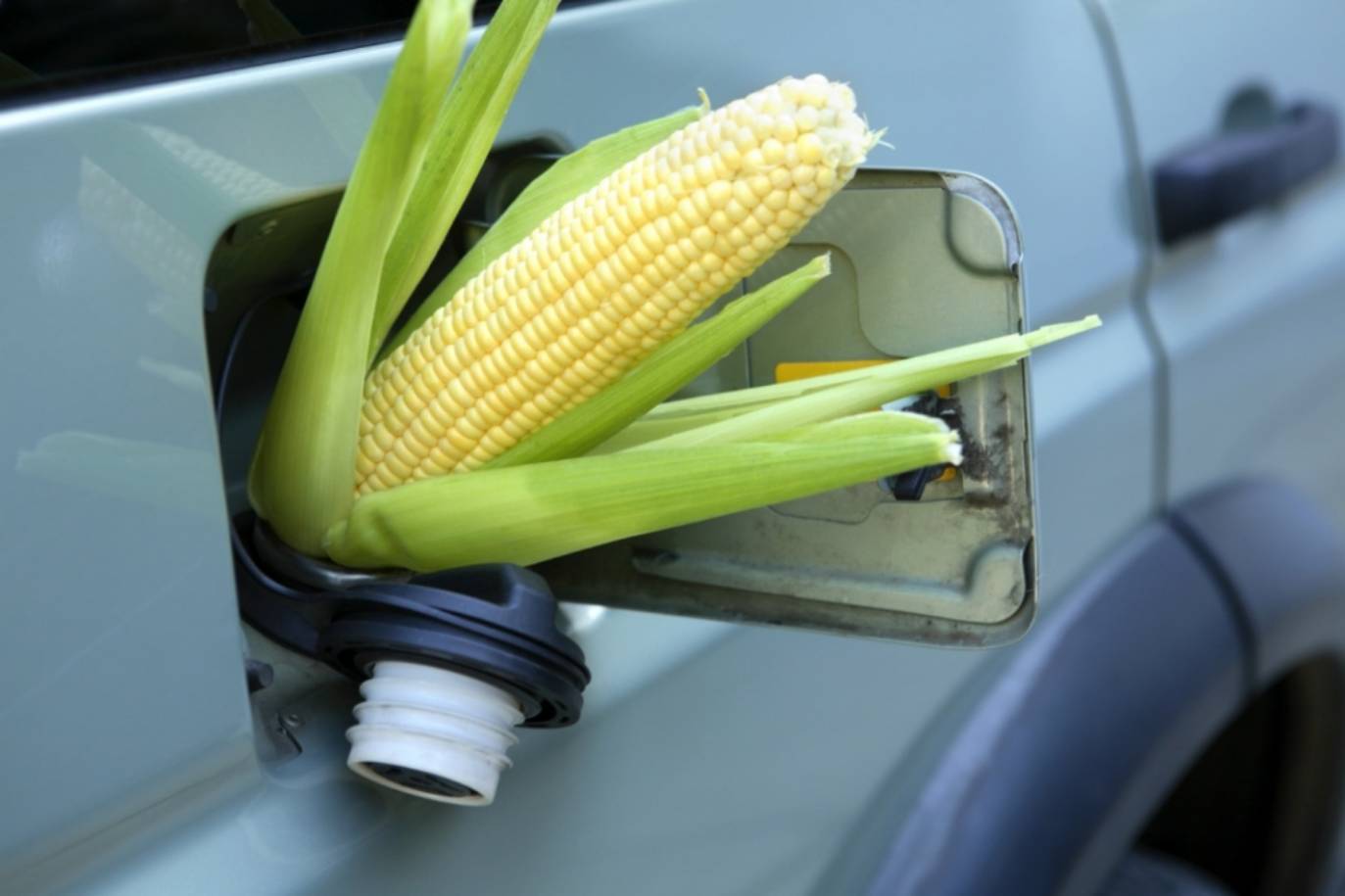
The increase in the mandatory blend of anhydrous ethanol in gasoline from 30% (E30) to 32% (E32) could add approximately 954 million liters to the demand for the biofuel over a 12-month period, according to estimates from the Mato Grosso Institute of Agricultural Economics (Imea). This applies to Mato Grosso, the second largest national producer of ethanol and the main Brazilian hub for the fuel produced from cereals. The change was approved by the National Energy Policy Council (CNPE) on Tuesday (14), with adoption scheduled from August 1st and an initial validity of 180 days, subject to extension for an equal period. The measure occurs in a context of oil volatility in the international market and concern about the effects of tensions in the Middle East on prices and supply. For 2026, considering the adoption of the new blend from August, the institute estimates an increase of approximately 409 thousand cubic meters of anhydrous ethanol by December. “In a complete cycle, E32 represents an additional demand of approximately 1 million cubic meters of anhydrous ethanol. This year, as the change begins in August, we project an increase of about 409,000 cubic meters. This result, however, is directly related to gasoline consumption behavior,” says Rodrigo Silva, Market Intelligence Coordinator at Imea. In an exercise that considers a participation of approximately 30% of corn ethanol in meeting this new market, the segment could absorb approximately 119,000 additional cubic meters in 2026 and about 277,000 cubic meters in a 12-month period. Effective distribution will depend on factors such as supply, prices, and logistics. For Cleiton Gauer, superintendent of the Mato Grosso Federation of Agriculture and Livestock (Famato), the relevance of the measure goes beyond the immediate increase in consumption. In his assessment, the expansion of the blend brings greater predictability for producers and industries and reduces the country's exposure to fluctuations in the international fossil fuel market. “This is an extremely important announcement, eagerly awaited by the market. The increased blend provides greater security for production and for the continuity of this movement to expand the supply of ethanol, not only in Mato Grosso, but in Brazil,” he states. According to Cleiton, the international scenario reinforces the importance of the measure. “Brazil is still exposed to the fluctuations of the international fossil fuel market. Expanding the space for ethanol strengthens production that is already in the country and helps to give sustainability to the investments made in the chain,” he says. According to information from the Ministry of Mines and Energy, E32 could reduce Brazil's need for gasoline imports by approximately 900 million liters per year. Technical studies evaluated aspects such as vehicle performance, drivability, cold starts, fuel consumption, and emissions before the adoption of the new blend.
Mato Grosso expands production
According to data from Imea, the increase in ethanol content in gasoline is occurring at a time of strong expansion in Mato Grosso's industry. Mato Grosso ended the 2025/26 harvest with a production of 7.27 million cubic meters of ethanol, an 8.52% increase compared to the previous cycle. This result maintained the state in second place in the national ranking, behind only São Paulo. Of the total, 6.18 million cubic meters were produced from corn and 1.09 million cubic meters from sugarcane. Thus, the cereal accounted for approximately 85% of all ethanol produced in the state. Corn ethanol production increased by 9.89% in the 2025/26 harvest, while corn milling by the mills reached 13.81 million tons, a 10.45% increase. Of the total volume of ethanol produced in Mato Grosso, 2.87 million cubic meters were anhydrous ethanol, used in gasoline blends, equivalent to 39.42% of production. Another 4.40 million cubic meters, or 60.58%, were hydrated ethanol. For the 2026/27 harvest, Imea projects a total ethanol production of 8.44 million cubic meters in Mato Grosso, an increase of 16.08%. The expansion should again be led by corn. Corn ethanol production is estimated at 7.33 million cubic meters, an increase of 18.67% over the previous cycle. Milling is expected to increase from 13.81 million to 16.36 million tons, a rise of 18.52%, driven, among other factors, by the entry of two new industrial units. According to Cleiton, the trajectory of Mato Grosso's industry since the implementation of the first plants dedicated entirely to corn processing demonstrates the production's capacity to respond to the creation of new markets. “When there is a structured market, with demand and price, the producer responds. The industry creates an additional destination for the corn and generates a cascading effect throughout the chain,” he states. In the opinion of the Famato superintendent, the future ethanol market could also advance beyond road transport, with opportunities in the production of sustainable aviation fuels (SAF) and, especially, ethanol for maritime use. “We also need to look ahead. Ethanol and other raw materials that Brazil already produces can play an important role in maritime decarbonization and aviation,” he says.
This text was translated by machine from Brazilian Portuguese.