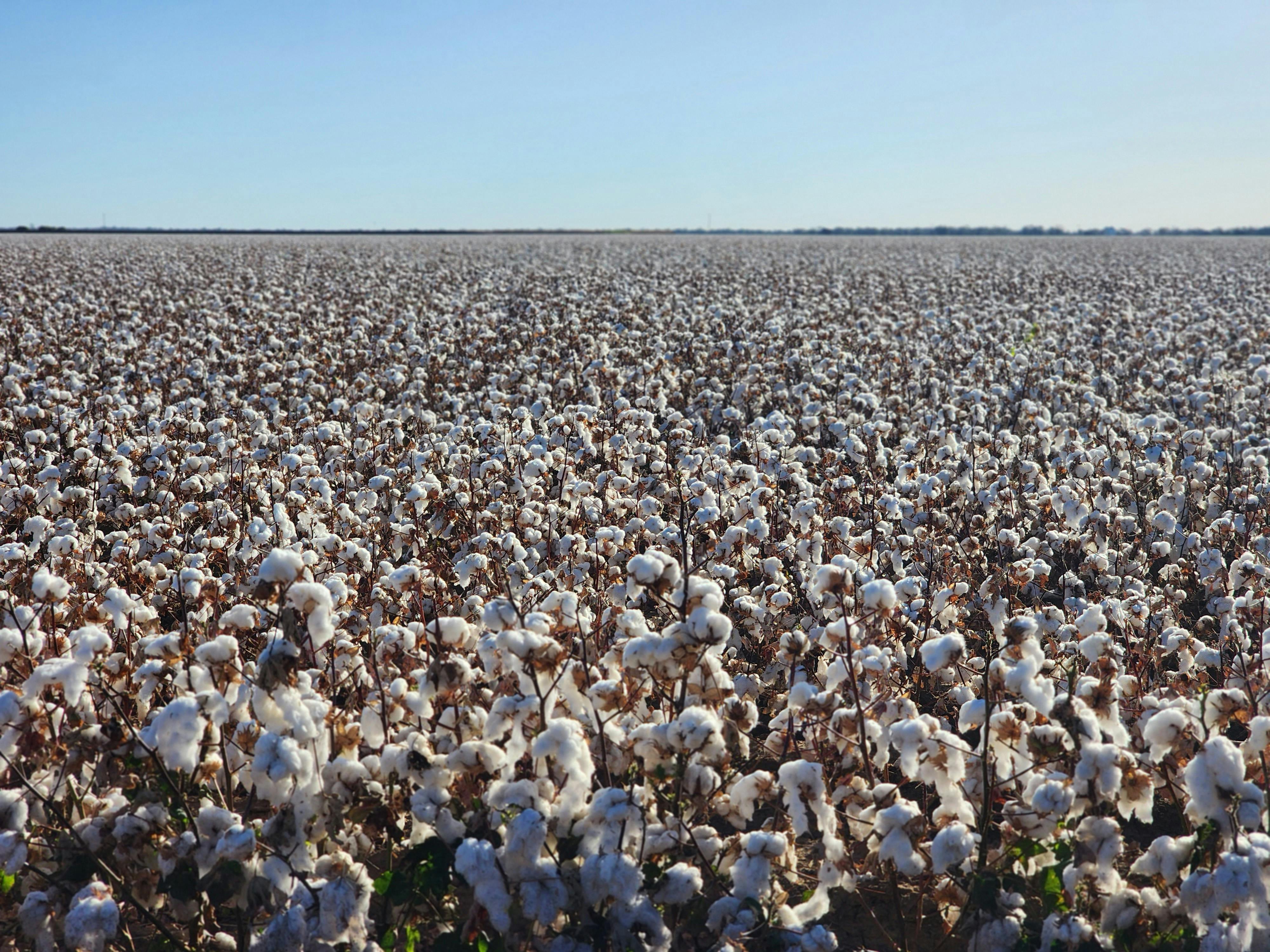
The National Technical Biosafety Commission (CTNBio) has authorized the planting of genetically modified (GM) cotton in the state of Pará. The decision was made on March 12th, based on a technical-scientific opinion from Embrapa. The study concluded that there is no evidence of the existence of wild or native cotton plants in Pará and that the restriction on the cultivation of genetically modified cotton plants in the state can be lifted without prejudice to the knowledge, use, and preservation of the genetic diversity of the Gossypium barbadense and Gossypium hirsutum varieties. These varieties are found in urban and rural residences for medicinal use throughout the state of Pará. The request for Pará to be removed from the exclusion zone came from Aprosoja Pará and had the support of the Brazilian Cotton Producers Association – Abrapa and the Secretariat of Agriculture, Livestock Development and Fisheries of Pará. In 2023, CTNBio had already authorized the production of transgenic cotton in the municipality of Santana do Araguaia. The exclusion zones were defined by CTNBio in 2005, when the cultivation of the first GM cotton in Brazil was approved, with the aim of preserving the variability of non-cultivated cotton plants (native and naturalized) from the possibility of gene flow with GM cotton plants. According to Embrapa Algodão researcher Paulo Barroso, one of the authors of the document that supported the creation of the exclusion zone, "this was a dynamic biosafety measure that should adjust to new facts and advances in knowledge." Pará is the fourth state to be removed from the exclusion zone after Tocantins, Roraima, Rondônia, and regions of Mato Grosso. With the release, farmers in Pará now have a new cultivation possibility, in addition to conventional cotton, which is already permitted throughout the state. “The experience of Pará with the cultivation of conventional cotton, added to the consolidated history of safe cultivation of genetically modified cotton in other Brazilian states, reinforces this conclusion by indicating that the eventual gene flow from commercial crops should not represent an additional risk to the conservation of the diversity of non-commercially cultivated Gossypium in the state,” concludes the Embrapa report. :: About the research The research that supported the release of transgenic cotton cultivation in Pará was carried out in partnership with Embrapa Amazônia Oriental (Belém, PA) and included scientific literature (historical accounts, books and articles), herbaria research, field surveys and technical analyses. In total, five expeditions were carried out to the state of Pará to update knowledge about non-commercially cultivated cotton. “Added together, the expeditions had an effective duration of 78 days, which represented the greatest effort for the evaluation and collection of germplasm made by Embrapa Algodão in its 50-year history,” it reports. According to the report, the sampling covered 686 points distributed across 86 of the state's 144 municipalities. These municipalities were located in 19 of the 22 microregions and all of the mesoregions of Pará. In these locations, 1772 adult plants and 783 young plants were found. No plants were found in natural environments. All were present in anthropized locations, mainly in backyards and in front of houses, for use as medicinal plants. :: Cotton cultivation in Pará Pará is the tenth state with the largest area cultivated with temporary crops, totaling approximately 2 million hectares in 2024, according to IBGE estimates. Soybeans are the most significant crop, covering 1.1 million hectares, corresponding to more than 56% of the total cultivated area. The cultivation of temporary crops mainly occupies the eastern region of the state and another region further west, in an area encompassing the municipalities of Santarém, Mojuí dos Campos, and Belterra. “Considering the peculiarities of cotton cultivation, the crop will likely occupy these agricultural areas, being cultivated in rotation with other annual crops or in sequence, as a second crop (safrinha), or even in pasture areas, which represent the largest area destined for agriculture in Pará. Cotton crops should not be a factor in opening new areas,” says the head of Embrapa Algodão, Nair Arriel.
This text was translated by machine from Brazilian Portuguese.