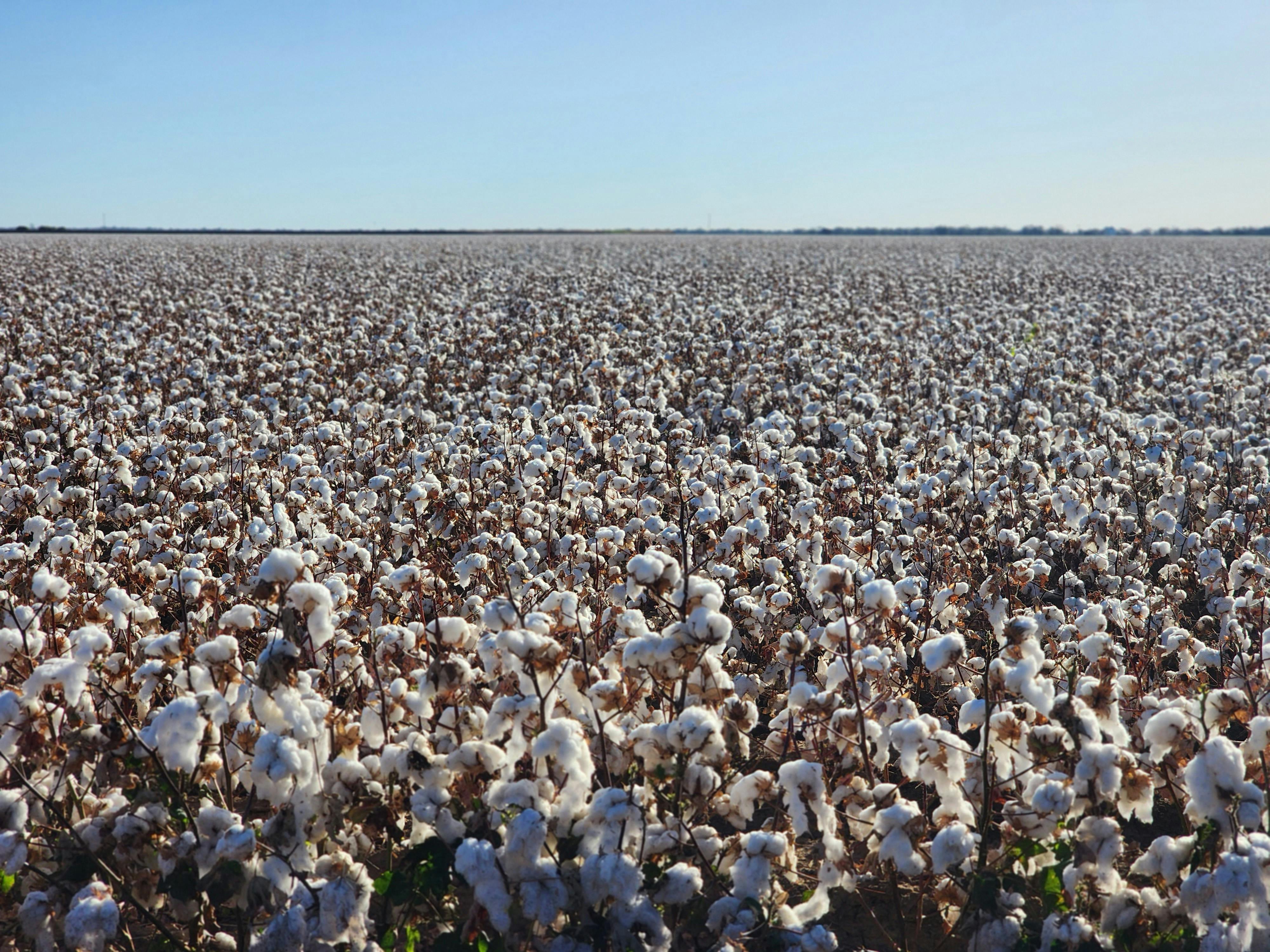
Brazil has consolidated its position as the world's largest cotton exporter and already accounts for about a third of global trade in the fiber. For the National Association of Cotton Exporters (Anea), maintaining this leadership will depend on the country's ability to expand investments in logistics infrastructure, increase operational efficiency and reduce bottlenecks that impact the competitiveness of exports. This topic was one of the axes addressed at the 2nd Cotton Day Santos, held this Tuesday (23), at the Santos Commercial Association (ACS). Promoted by the Santos Commercial Association (ACS), in partnership with the Brazilian Association of Cotton Producers (Abrapa), the National Association of Cotton Exporters (Anea), the Brazilian Trade and Investment Promotion Agency (Apex Brasil) and Cotton Brazil, the meeting had as its theme "Connecting players, driving solutions and building the future through the Port of Santos" and brought together producers, exporters, logistics operators, port authorities, representatives of sectoral entities and experts to discuss solutions capable of increasing the competitiveness of Brazilian cotton in the coming years. Data from Anea showed that approximately 85% of Brazilian cotton transportation is still carried out by road, while roughly 95% of exports pass through the Port of Santos, currently considered the largest cotton handling port in the world. Recently, according to the organization, the country surpassed the mark of 3 million tons exported, a result built over more than two decades of investments in productivity, quality, sustainability, and traceability. “It is also the result of joint work between producers, exporters, logistics operators, terminals, and public authorities. With this, our responsibility to seek solutions to maintain the sector's competitiveness increases,” stated the president of Anea, Dawid Wajs. The president of Anea's Logistics Committee, Brenno Queiroz, highlighted the need to expand investments in rail transport, port capacity, and operational planning. "The challenge is to ensure that infrastructure evolves at the same pace as exports. The sector already faces recurring delays in port operations, reduced windows for container handling, and operational limitations that increase costs and reduce Brazilian competitiveness compared to other global exporters," he explained. During the presentation, the executive recalled that approximately 40% of Brazilian cotton exports are carried out through terminals certified by ABR-LOG, a socio-environmental certification program focused on backport terminals that handle the fiber. Anea's objective is to work to increase this percentage.
This text was translated by machine from Brazilian Portuguese.