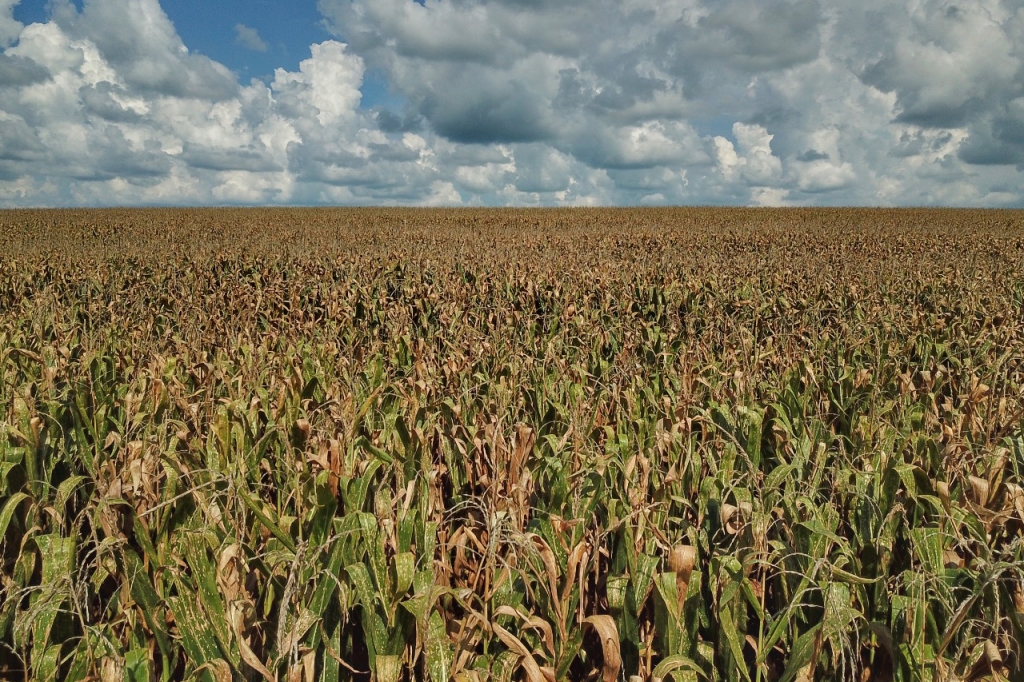
The Agricultural Zoning of Climatic Risk (Zarc) for grain corn cultivation has been updated. The ordinances with the new zoning were published in the Official Gazette of the Union (DOU) last Friday (10). The update includes a review of the classification of soils by available water capacity and an update of historical climate series. The changes reflect, above all, the increasing climatic variability and the increased frequency of occurrence of extreme events in recent years, such as droughts and excessive rainfall. For the risk calculation, 30-year series of meteorological data are used, including maximum, minimum and average temperatures, precipitation and reference evapotranspiration. Parameters related to the crop and soil characteristics are also considered.
Classes of water available
The study now uses six classes of available water in the soil, ranging from AD1 (low retention) to AD6 (high water retention), replacing the previous classification based on three soil groups. According to Embrapa researchers responsible for the Zarc studies, the classification by available water allows for a more detailed characterization of the conditions of different production environments. The water storage capacity depends on the physical characteristics of the soil and not just its texture.
Climate base
The update also incorporates new meteorological data into the historical series used in the studies, including rainfall and temperature information from an expanded number of weather stations. This information is used to define the planting times with the lowest climate risk for the crop, considering the conditions observed in the different producing regions of the country.
This text was translated by machine from Brazilian Portuguese.