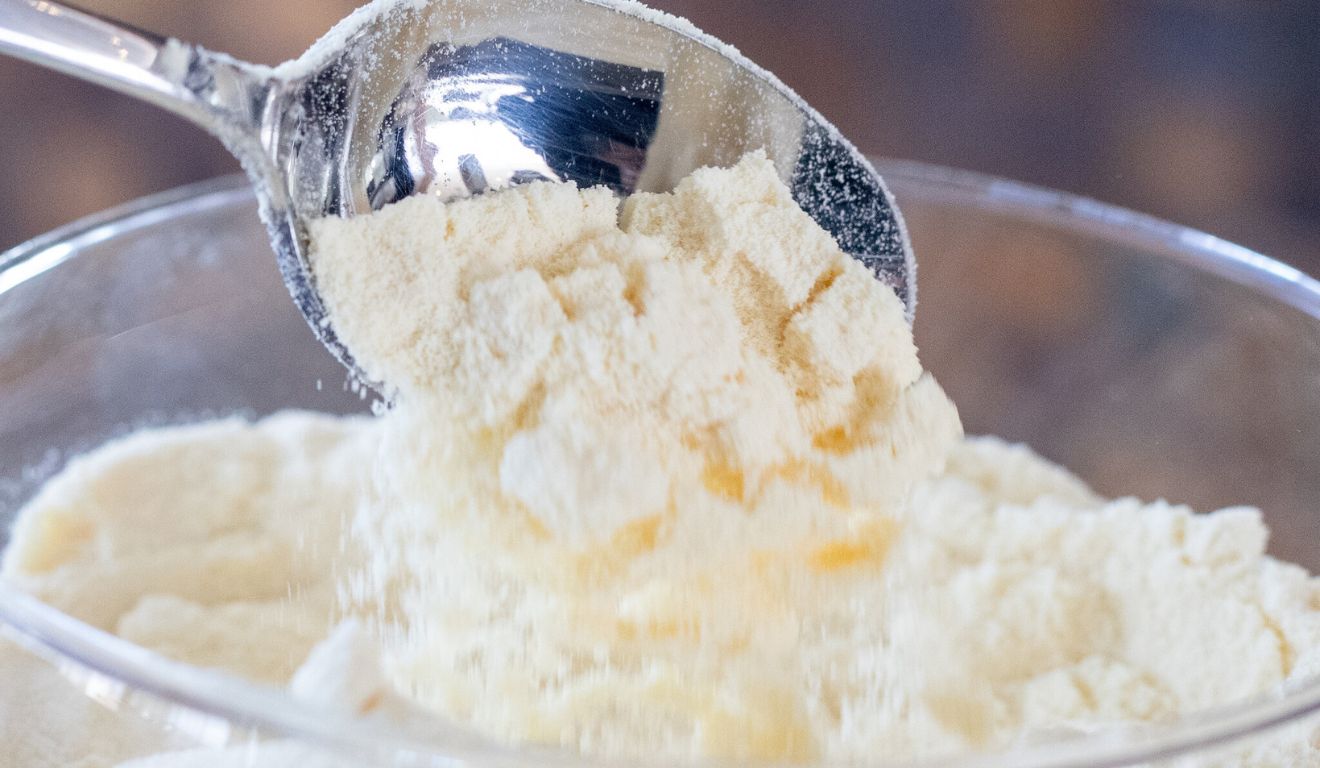
The Brazilian Confederation of Agriculture and Livestock (CNA) lamented the decision of the Executive Management Committee of the Foreign Trade Chamber (Gecex/Camex) not to immediately apply measures against unfair trade practices in the import of powdered milk from Argentina and Uruguay. The government acknowledged the dumping practice but decided to suspend the application of tariffs, even with the technical recommendation. As a result, the productive sector remains exposed to proven unfair trade practices, demonstrated by the CNA throughout the investigation. The suspension was decided due to government concerns about potential negative impacts on the economy. Brazilian milk producers have faced competition with artificially low prices in recent years, and imports hit a new record in 2026. Argentina and Uruguay accounted for 90% of the 604 million liters of milk equivalent, at prices laden with distortions of up to 60%. The mechanism adopted to suspend the tariffs was the opening of a public interest assessment so that the government could study the impacts on the economy and diplomatic relations with Mercosur. The CNA, however, highlights that correcting unfair practices will not have negative effects on the economy, since the weight of powdered milk for the final consumer is excluded from the investigation. Furthermore, this category represents a negligible weight in the Broad National Consumer Price Index (IPCA) of only 0.2% on average over the last five years. “The main dairy products consumed by Brazilians, especially long-life milk, cheeses, and other derived products will not be affected,” explained CNA technical advisor Guilherme Souza Dias. With the result of the Gecex/Camex meeting on Thursday (28), the CNA will continue working to reverse the scenario and guarantee the effective commercial defense of national milk production in the face of already proven unfair trade practices. “The fight is not over yet, we will continue dialoguing with the government to achieve legitimate commercial defense for our milk producers,” commented the president of the National Milk Cattle Commission, Jônadan Ma.
This text was translated by machine from Brazilian Portuguese.