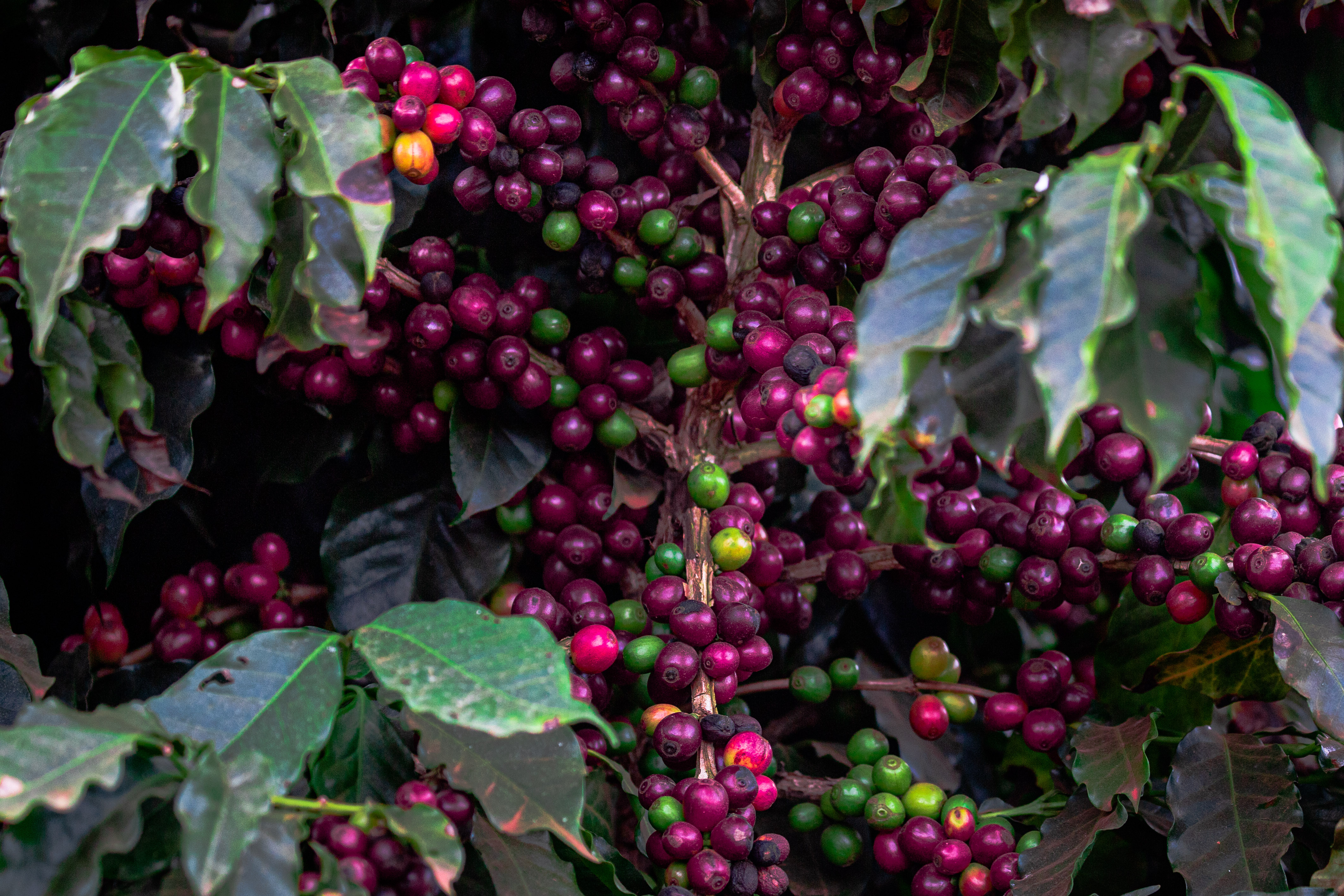
THE Brazilian Coffee Exporters Council (Cecafé) and the Ministry of Labor and Employment (MTE) They discussed new ways to strengthen legal and commercial security measures of Brazilian coffee exports, last Wednesday (22), in BrasiliaThe organizations have moved forward in creating a joint agenda with federal government agencies. This movement is taking place amidst… Industry concerns about potential trade barriers.especially in United States, main destination for Brazilian coffeeMeasures such as administrative orders can block shipments when there are suspicions of labor irregularities in the production chain. In practice, these Restrictions can lead to logistical delays, increased costs, and even the return of goods., raising the perception of risk among importers. The situation intensified after complaints made in 2025 that pointed outIn general, the use of forced labor in Brazilian coffee farming — assessment disputed by the sector. To mitigate these risks, Cecafé and the government highlight initiatives such as Decent Work Pacta Coffee Table and the Sustainable Work Program…focused on promoting good practices in the field and improving working conditions. Another axis of the strategy is to strengthen communication with international markets, based on official data on… labor inspection and complianceThe proposal includes expanding dialogue with foreign authorities and trading partners, especially in USA and in EuropeAccording to CecaféWorking together with the government can to strengthen the credibility of Brazilian coffee abroad, reduce the risk of sanctions and garto provide greater stability for the sector's exports. in the coming years.
This text was translated by machine from Brazilian Portuguese.