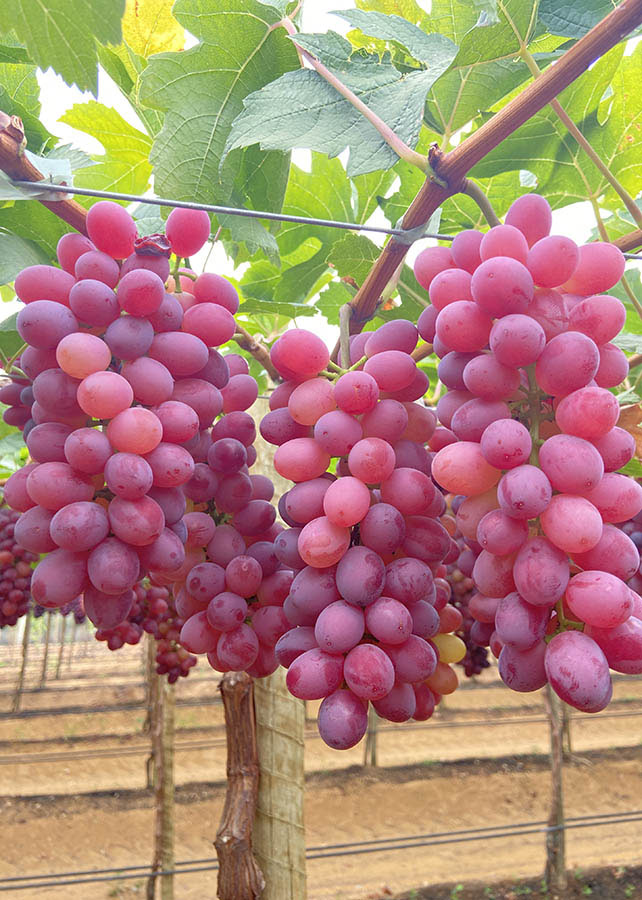
The Brazilian Association of Fruit and Derivative Producers and Exporters (Abrafrutas) is closely monitoring the United States government's decision to impose an additional 25% tariff on Brazilian products. In the case of Brazilian grapes, one of the main products exported to the US market, the measure will raise the total tariff to 35%, significantly reducing the competitiveness of Brazilian fruit in that market and creating challenges for the production chain. In 2025, Brazil exported approximately US$41.5 million to the United States, a value corresponding to the export of 14,000 tons of grapes. In addition to grapes, melons and watermelons were also taxed, although with a smaller impact due to the profile and volume of these products exported to the US market. Abrafrutas is already in contact with producers and exporters, guiding the sector on the necessary procedures in light of the new scenario. Although the measure may directly impact shipments destined for the United States, the organization is working to identify alternatives that minimize losses for producers, whether through market diversification or the adoption of new commercial strategies. The sector has already demonstrated its ability to overcome similar situations. Last year, during the implementation of tariff measures that particularly affected Brazilian mango exports to the United States, producers reacted quickly and resiliently, reorganizing operations, expanding markets, and adopting strategies that minimized economic impacts.
This text was translated by machine from Brazilian Portuguese.