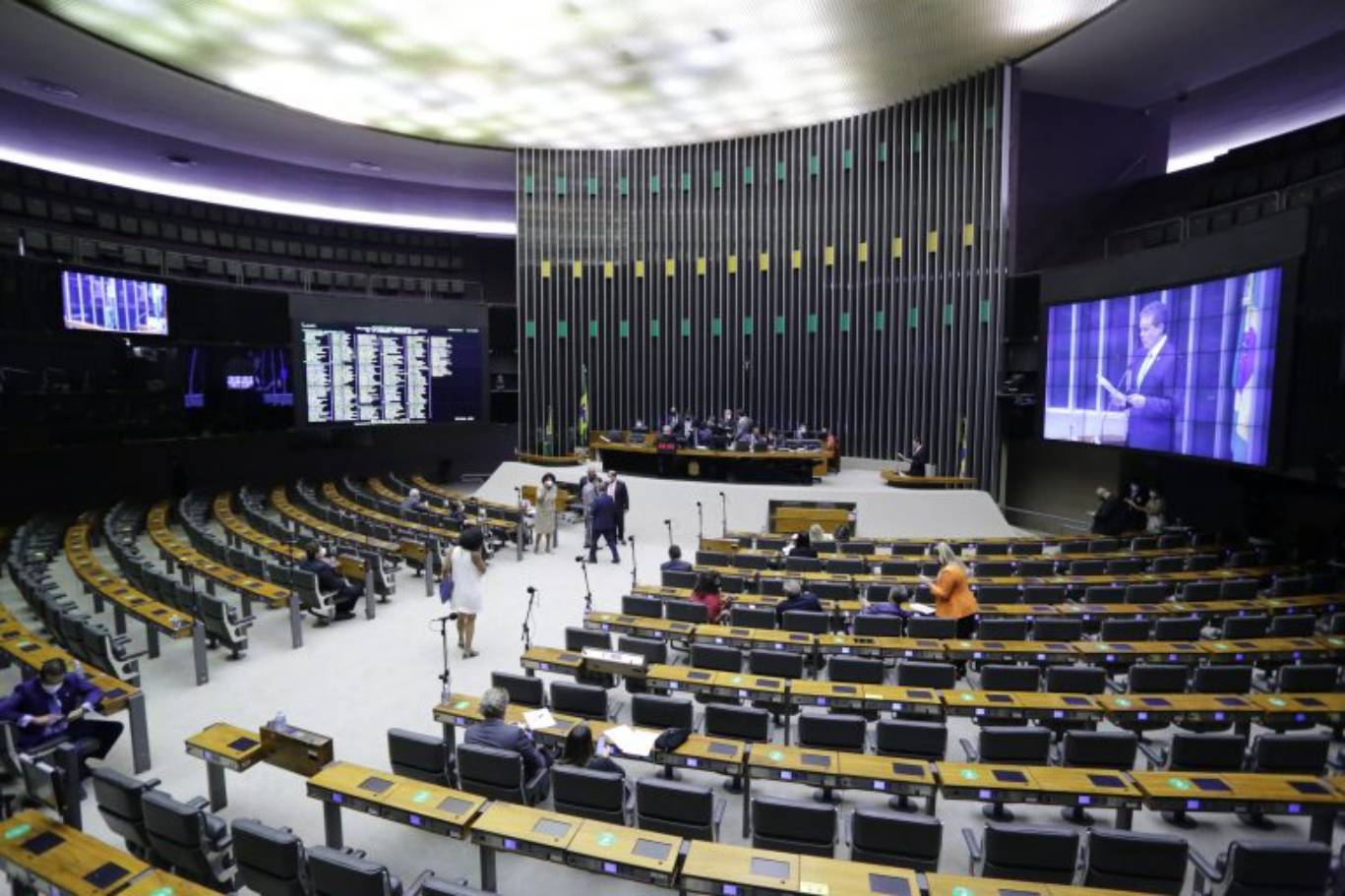
The Economic Development Committee (CDE) of the Chamber of Deputies approved, on Wednesday (1st), the opinion of Deputy Jadyel Alencar (Republicanos-PI) on Bill 3,838/2024, authored by Deputy Coronel Fernanda (PL-MT). Both are part of the Parliamentary Agricultural Front (FPA). The proposal creates instruments for Brazil to react to unilateral environmental measures adopted by other countries or economic blocs, when these requirements harm the competitiveness of Brazilian productive sectors, including agriculture. The approved text updates the project to align it with the new legal framework of the carbon market and the Economic Reciprocity Law. The matter had been presented before the approval of Law No. 15,042/2024, which established the Brazilian Emissions Trading System (SBCE), and Law No. 15,122/2025, which deals with economic reciprocity. With the substitute bill, the project no longer creates an autonomous mechanism and instead stipulates that carbon border adjustments, already foreseen in the SBCE (Brazilian System for Combating Carbon Emissions), can be used in accordance with current legislation and international commitments undertaken by Brazil. According to the rapporteur, the update preserves the objective of the proposal, which is to protect the Brazilian economy from external trade measures that impact national production. “The substitute bill adapts the project to the new legal framework, harmonizing the proposal with current legislation without creating new obligations,” stated Deputy Jadyel Alencar. “With this, we strengthen legal certainty and the instruments for defending Brazilian competitiveness, preserving the coherence of the legal system,” added the rapporteur. The author of the bill, Deputy Coronel Fernanda, stated that the project guarantees more balanced treatment in international trade relations, especially in the face of environmental requirements imposed by other markets. "Brazil needs to have instruments compatible with its legislation to respond to measures that harm our producers and our companies. The proposal reinforces the principle of reciprocity and values the environmental commitment already undertaken by the country, preserving the competitiveness of Brazilian productive sectors," said the congresswoman.
How will the mechanism work?
The approved substitute bill establishes that the carbon border adjustment mechanism may be applied in response to unilateral measures adopted by countries or economic blocs that negatively affect the competitiveness of sectors regulated by the SBCE (Brazilian System for Emissions Trading). However, its application will be conditional upon the full implementation of the national emissions trading system. With the approval of the opinion in the Economic Development Committee, the bill is now ready for consideration by the Plenary of the Chamber of Deputies.
This text was translated by machine from Brazilian Portuguese.