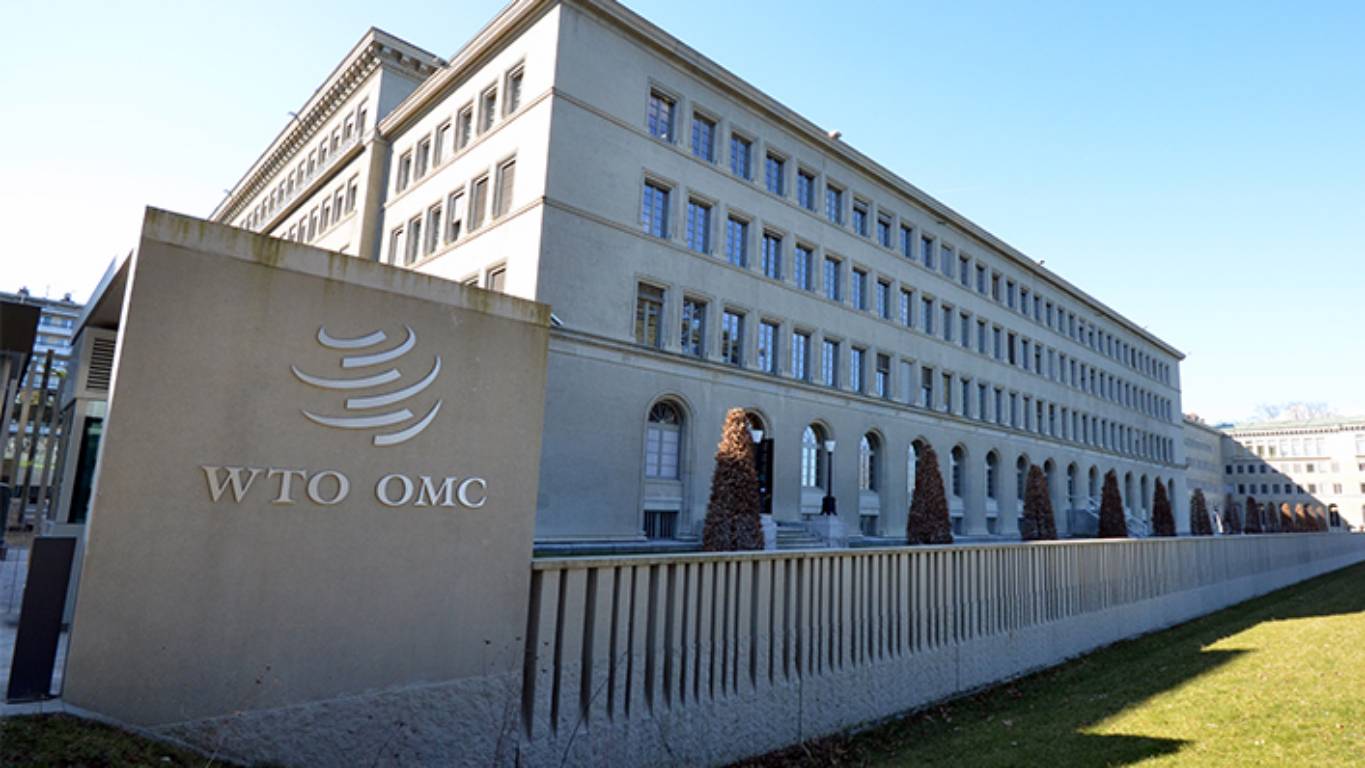
Brazil made progress in sanitary and phytosanitary negotiations aimed at opening and expanding markets during the 95th meeting of the Committee on Sanitary and Phytosanitary Measures (SPS) of the World Trade Organization (WTO), held from June 22 to 26 in Geneva, Switzerland. The joint efforts of the Ministry of Agriculture and Livestock (MAPA) and the Ministry of Foreign Affairs (MRE) included 17 bilateral meetings with countries strategic to Brazilian agribusiness, contributing to unblocking negotiations, updating sanitary certificates, and strengthening international trade in agricultural products. The Brazilian delegation was composed of the Brazilian agricultural attaché to the WTO, Andréa Moura; the coordinator of Multilateral Issues of the Secretariat of Trade and International Relations, César Vandesteen; the federal agricultural auditor Bernardo Todeschini; and the MRE diplomats working at the WTO, Diego Fernandes Alfieri and Paulo Henrique Moraes Tapajós. Within the SPS Committee, Brazil directly addressed issues impacting access for agricultural products to international markets with trading partners. The bilateral meetings focused on advancing pending sanitary negotiations, expanding markets, updating international sanitary certificates, and defending the interests of Brazilian agribusiness. Among the main results, Ukraine signaled the possibility of conducting an audit of the Brazilian inspection system in September of this year. This measure represents an important step towards resuming Brazilian pork exports to the European country, which have been suspended since 2018. There was also progress in negotiations with Canada, which confirmed an audit in early October for the recognition of Brazilian regionalization for Highly Pathogenic Avian Influenza (HPAI) and Newcastle Disease. The initiative will allow for the continuation of negotiations to update the International Sanitary Certificates applicable to Brazilian poultry meat exports, a process that Brazil has been conducting since 2023. Throughout the week, 13 Specific Trade Concerns (STCs) were also discussed. STCs are instruments used by WTO members to seek clarification on sanitary and phytosanitary measures that may affect international trade. Approximately half of the STCs are resolved within two years. By prioritizing technical dialogue between member countries, the mechanism has become an important tool for preventing trade disputes, supporting market opening, and defending the interests of Brazilian agribusiness.
About the SPS Committee
The Committee on Sanitary and Phytosanitary Measures (SPS) is the main international forum for discussing sanitary and phytosanitary measures affecting trade in agricultural products. Its objective is to ensure that measures adopted to protect human, animal, and plant health are based on scientific criteria and do not constitute unjustified barriers to international trade. Brazil maintains an active role in the SPS Committee and is currently the second country that submits the most notifications to the committee, behind only the United States. This activity contributes to increasing the transparency, predictability, and legal certainty of the rules applied to the international trade of agricultural products.
This text was translated by machine from Brazilian Portuguese.