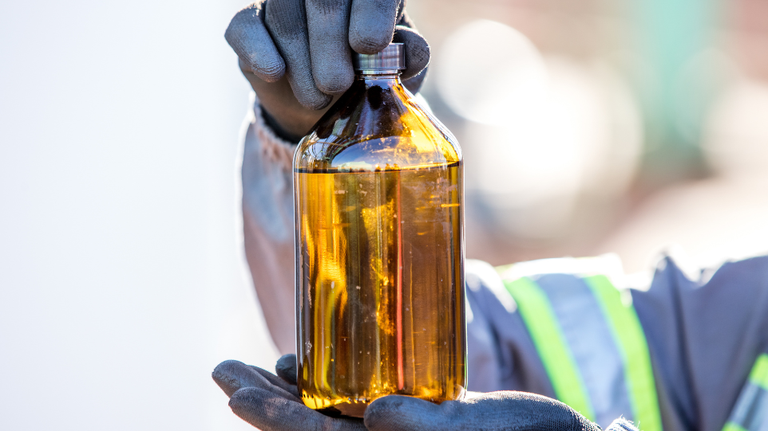
The Ministry of Mines and Energy (MME), with the endorsement of the National Council for Energy Policy (CNPE), continues to advance the implementation of the Future Fuel Law by strengthening the national testing infrastructure for evaluating the use of higher biodiesel content in diesel. In May, the Brazilian government approved the Testing Plan for blends exceeding B15 and allocated R$ 30 million through the National Fund for Scientific and Technological Development (FNDCT) to expand the country's mechanical and chemical testing capacity. The law foresees an increase in the biodiesel blend in diesel to up to 25%. According to Minister Alexandre Silveira, expanding the testing infrastructure and conducting the studies foreseen in the legislation are fundamental for future decisions to be based on technical evidence, strengthening the confidence of economic agents and consolidating the country's leading role in the energy transition. “The advancement of biofuels in Brazil needs to be conducted responsibly and predictably. Therefore, we rigorously follow the approved testing plan, guaranteeing legal and regulatory security for the sector, preserving the quality of the fuel that reaches the consumer, and ensuring that the evolution of blends occurs without impacting the Brazilian fleet. Our goal is to pave the definitive path towards B25,” stated the minister. The resources will allow for the expansion of the infrastructure used in the evaluations, increasing from 2 to 16 mechanical and physicochemical laboratories and from 2 to 6 test benches—platforms where engines are operated with different fuels for performance, durability, and emissions analysis. The tests foreseen in the Testing Plan began on May 20th at the Mauá Institute of Technology (IMT), marking the beginning of the practical evaluation phase of the superior biodiesel blends. The expansion of technical capacity aims to ensure that the evolution of biodiesel content is based on scientific evidence and assessments conducted by specialized institutions, guaranteeing the reliability of the results and safety for consumers, manufacturers, and sector agents. The studies foreseen in the plan will support future decisions on increasing the mandatory blending of biodiesel with diesel. As stipulated in the Future Fuel Law, any increases in percentages depend on technical analysis and deliberation by the National Energy Policy Council (CNPE), a body composed of government ministers responsible for defining the guidelines of Brazilian energy policy. The adoption of percentages higher than the current ones represents another step in the Brazilian government's strategy to expand the use of renewable fuels, strengthen energy security, stimulate investment, and advance the decarbonization of the transportation matrix. The Permanent Technical Committee for the Fuel of the Future (CTP-CF), created by Law No. 14,993/2024, which established the Fuel of the Future Program, is responsible for coordinating studies, monitoring the implementation of the policy, and proposing measures aimed at expanding low-carbon fuels in the country. The committee brings together representatives from federal government agencies, research entities, technical institutions, and agents from the productive sector. Among its responsibilities is the creation of thematic subcommittees responsible for preparing studies and evaluations on different fuels and technologies. The Test Plan for biodiesel blends higher than B15 and up to B25 was developed within the scope of the Subcommittee for the Evaluation of the Technical Feasibility of High-Content Biofuel Blends in Fossil Fuels – Biodiesel Thematic Axis. After the completion of the technical work, the document was submitted to the Permanent Technical Committee for the Fuel of the Future, which approved the protocol and allowed the formal commencement of the tests.
This text was translated by machine from Brazilian Portuguese.