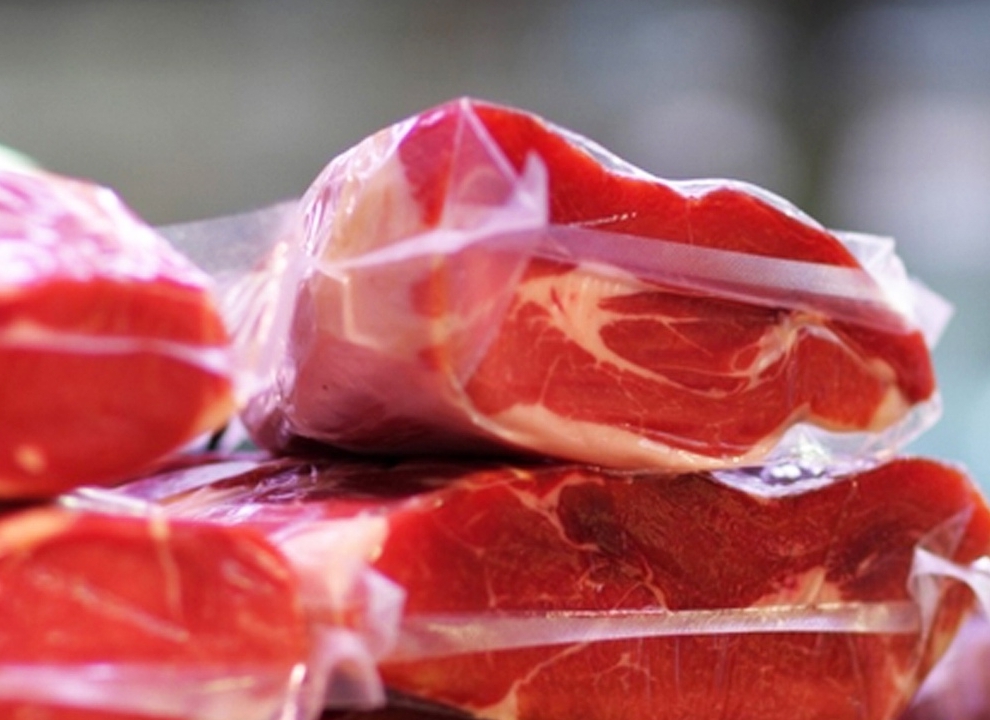
Brazilian beef exports in March 2026 showed a slower growth rate in volume shipped compared to the previous two months, but with larger increases in revenue. This reflects an appreciation in the dollar prices of Brazilian beef in the international market, driven by the rise in the price per arroba of live cattle in Brazil and the recent devaluation of the US dollar. Data from the Secretariat of Foreign Trade (Secex), compiled by the Brazilian Association of Meatpacking Plants (Abrafrigo), show that external sales of fresh beef grew 8.95% in volume in March of this year, compared to March 2025, reaching 233,790 tons. In terms of revenue, exports of fresh beef increased 29.14% in the same period, to US$ 1.36 billion. In January and February 2026, there was growth of 28.7% and 24%, respectively, in the volume shipped, compared to the same months of the previous year. In terms of revenue, the results for January and February showed growth of 42.5% and 41.9%, respectively. It is important to consider that the performance of beef exports in 2026 starts from a high comparison base, considering the successive monthly records that occurred in 2025, which reduces expectations of a more robust growth rate. Fresh meat represents approximately 90% of beef and beef by-product exports. In total, considering both fresh and processed meat, and by-products such as offal, tripe, and beef tallow, sector exports grew 21.42% in March 2026 compared to March 2025, to US$ 1.476 billion. In total volume, there was a decrease of 6.65% in the same period, to 270,530 tons. In the first quarter, total exports grew 32.29% compared to the first quarter of 2025, reaching US$4.32 billion. In volume, on the same comparative basis, growth was 10.98%, to 827,640 tons. Considering only fresh beef, there was a 37.45% increase in exports in the first quarter of the year, compared to the same period of the previous year, with revenues totaling US$3.98 billion, while the volume shipped grew 19.92%, totaling 700,980 tons. The average export values of fresh beef in the first quarter showed an increase of 14.61%, reaching US$5,642 per ton. In the first quarter of 2025, the average export values were US$4,954 per ton. China remained the largest importer of Brazilian beef in the first quarter of the year, with total purchases of US$1.816 billion, representing a 41.83% increase compared to the same period of the previous year. The total volume shipped to the Asian country was 325,680 tons (a 39.35% increase). It is important to note that this volume does not reflect the quantity considered by the Chinese government for the purpose of calculating the quota of 1.106 million tons (free from the 55% extra-quota tariff), established due to the application of safeguard measures by the Asian country. This is because the Chinese government considers, in the quota calculation, shipments that arrived at Chinese ports from January 1, 2026 onwards, even if they were shipped from Brazilian ports in the previous year. Information released by the Chinese Ministry of Commerce (MOFCOM) last March indicated that Brazilian beef sales to China had already reached 372,080 tons in just the first two months of the year. Information for March 2026 has not yet been released by MOFCOM. If the volume shipped in March 2026 (as determined by SECEX/MDIC) is added, the estimated volume shipped to China in the first quarter of 2026 reaches 474,080 tons, corresponding to 42.86% of the tariff quota allocated to Brazil (1.106 million tons). Therefore, Brazil would still have a volume of 631,920 tons (57% of the quota) to export free of the 55% tariff. These estimates may change based on new information to be released by MOFCOM regarding entries into Chinese ports in March. The average (FOB) export values of Brazilian fresh beef to China in the first quarter of the year increased by 15% compared to the first quarter of 2025, reaching US$ 5,578 per ton. In the first quarter of the year, China accounted for 46.42% in volume and 45.6% in revenue of Brazilian fresh beef exports. Sales of fresh beef to the United States grew by 60.96% in the first quarter of 2026, compared to the first quarter of 2025, reaching US$ 588.98 million. In volume, there was a growth of 28.51%, to 98,170 tons. The average values of fresh beef exported to the United States reached US$ 6,000 per ton in the first quarter of 2026 (an increase of 25.25%). The United States, which continues to have a significant domestic supply deficit, estimated at approximately 2.5 million tons in 2026 (according to USDA data), remains the second largest importer of Brazilian beef, with a 14% share in volume and 14.8% in revenue. The European Union currently occupies the third position among the largest importers of beef and beef by-products from Brazil. From January to March 2026, sales of fresh beef to the European trading bloc grew by 29.48% compared to the first quarter of 2025, totaling US$187.96 million, while the volume shipped grew by 21.16% in the same period, to 21,713 thousand tons. The average export values of fresh beef exported to the European Union showed an increase of 6.86% in the first quarter of the year, to US$8,656 per ton. In total, also considering processed beef and by-products, sales to the European Union grew by 49.84% in the first quarter of 2026, reaching US$251.57 million. Chile, in turn, increased both volume and value, +27.6% and +36.9%, respectively, reaching 38,764 tons and revenue of US$224.1 million. Russia increased its purchases by 73.4% in volume and 91.1% in value. Mexico completed the group of the six largest markets, with solid growth of 37.5% in volume and 55.6% in value, totaling 18,374 thousand tons and US$105.3 million. In total, 106 countries increased their imports in the first quarter, while another 49 decreased their purchases.
This text was translated by machine from Brazilian Portuguese.