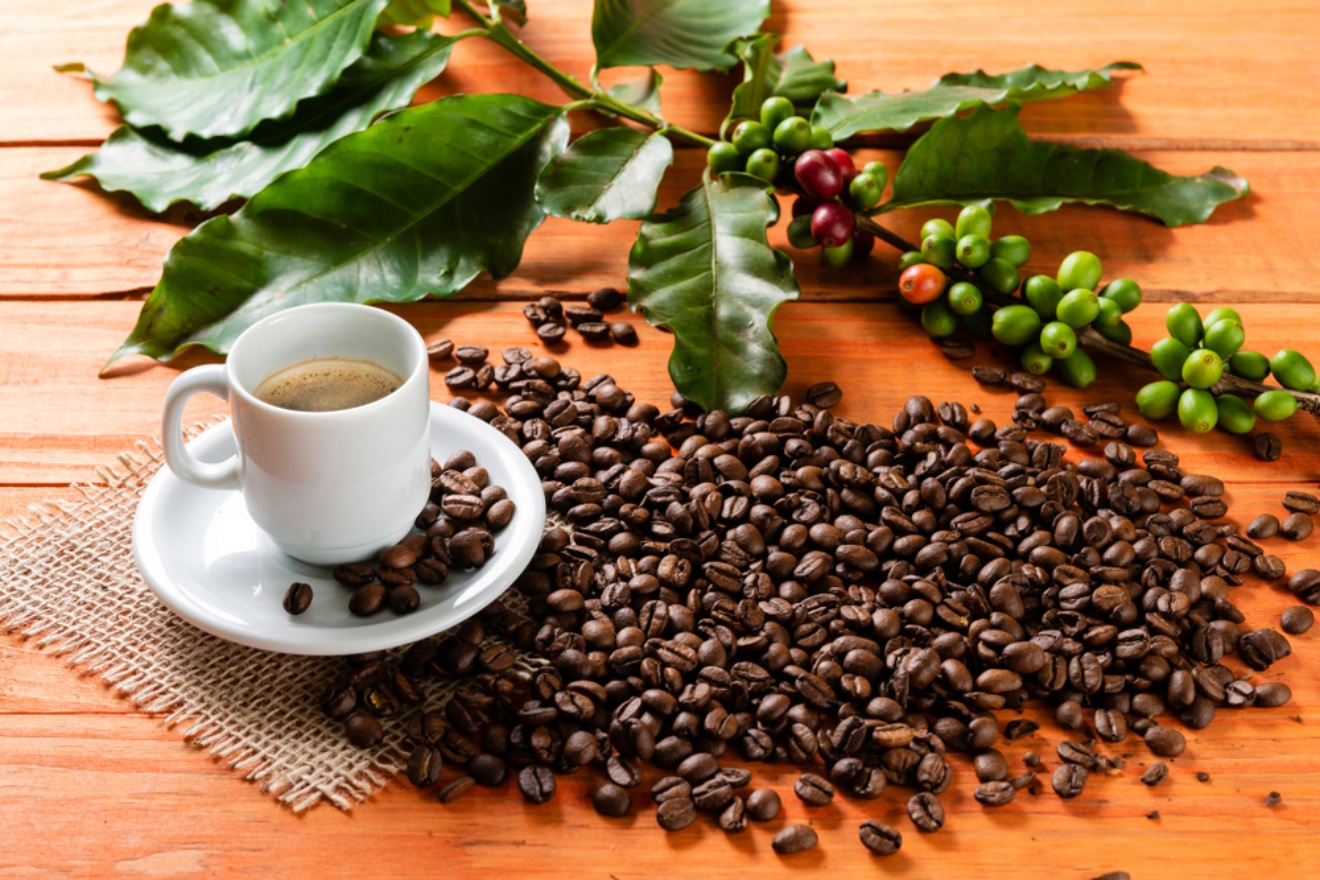
The average price of ground coffee and soybean oil fell in 23 Brazilian capitals in May. Lower prices were also observed for sugar and bananas, which became cheaper in most capitals. The data was released this Thursday (11) in the Monthly Basic Food Basket Analysis, prepared in partnership between the National Supply Company (Conab) and the Inter-Union Department of Statistics and Socioeconomic Studies (Dieese). The good prospects for the harvest and the progress of the harvest contributed to the reduction in ground coffee prices, which fell by 7.86% in Campo Grande. For soybean oil, the increase in domestic supply favored the fall in retail prices, with a decrease of up to 7.87% in Macapá. The scenario of greater supply also explains the reduction in sugar prices in 21 capitals, highlighting the capital of Amapá, with a drop of 20.41% in the prices found. For bananas, the largest percentage decline was observed in the capital of Mato Grosso do Sul, equivalent to 10.84%. Among the foods evaluated in the composition of the basic food basket – 12 in the North and Northeast regions and 13 in the Central-South region – potatoes, tomatoes, beef, beans, and whole milk increased in most capitals. With the end of the rainy season harvest and the beginning of the dry season harvest, the low supply increased potato prices in all eleven cities in the Central-West, Southeast, and South, with the smallest variation in São Paulo (40.03%). Tomatoes and prime beef showed increases in 26 capitals, reflecting the supply situation of these products in local markets. For the fruit, the research shows values up to 44.8% higher in Porto Alegre; for the protein, the percentage rose 7.35% in Porto Velho. Carioca beans and black beans remained valued in May. For the carioca variety, which is part of the basic food basket in 21 federative units, prices increased by between 1.13% in Cuiabá and 31.36% in Macapá. Whole milk, in turn, fluctuated between being 3.28% cheaper for consumers in Rio de Janeiro and 9.75% more expensive in the capital of Amapá. Another fundamental item in the Brazilian diet, rice, showed price increases in 18 capitals. In Palmas, the survey indicated a percentage increase of 14.23%, contrasting with the decrease of 9.04% found in Aracaju. In the overall analysis of the foods that make up the basic food basket, the value increased in all monitored municipalities, varying between 1.73% for the capital of Mato Grosso do Sul and 8.05% for Recife. Regarding average cost, São Luís was the capital with the most affordable prices for the measured items, with an average value of R$ 651.15, followed by Aracaju (R$ 652.73), Rio Branco (R$ 689.11), Porto Velho (R$ 689.88), and Maceió (R$ 696.55). Compared to the same period in 2025, the capital of Maranhão also saw a decrease in the average cost of basic food items, which became 2.52% cheaper. Annual accumulated figure – In the accumulated percentage for the year, corresponding to the period between December 2025 and May 2026, the basic food basket increased in all capitals. In the research sample, the average of the values found was 14.89%. São Luís showed the smallest increase in the category, with 3.45%. Subsequently, values below the accumulated average were observed in another 23 capitals, notably Campo Grande (8.41%), Macapá (10.07%), Porto Alegre (11.02%), Boa Vista (11.82%), Brasília (12.3%), and São Paulo (12.56%). Conab and Dieese Partnership – Since 2024, Conab and Dieese have maintained a partnership to monitor the prices of basic food baskets, in order to contribute to the National Food and Nutritional Security Policy and the National Food Supply Policy. Through this partnership, the collection of basic food prices was expanded from 17 to 27 Brazilian capitals, with results that began to be published in August 2025.
This text was translated by machine from Brazilian Portuguese.