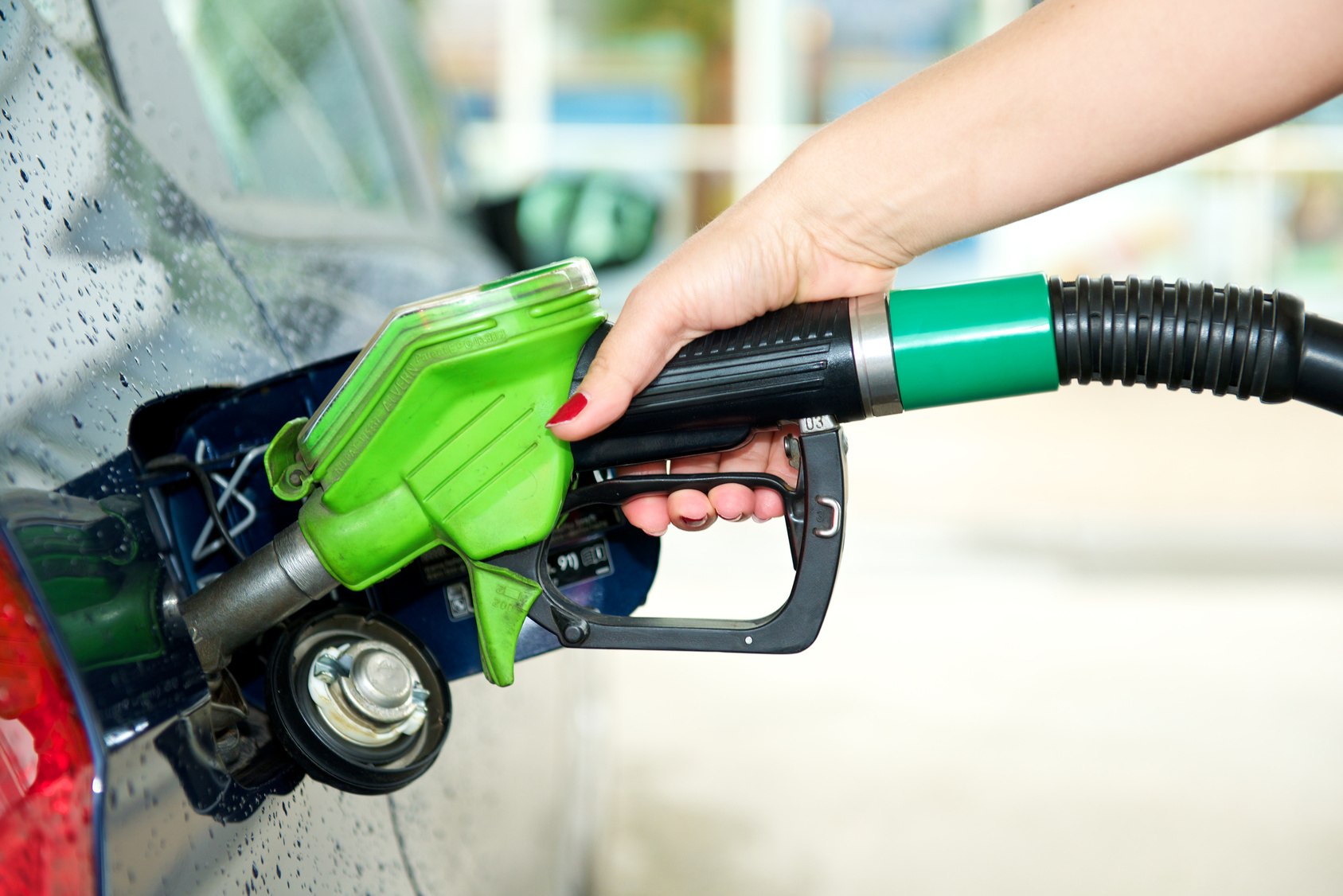
The increase in the mandatory blending of anhydrous ethanol in gasoline to 32% (E32) has the potential to add 1.052 billion liters of the biofuel to the market, a 6.6% increase. This projection was made by the CEO of the Association of Sugar, Ethanol and Bioenergy Producers (NovaBio), Renato Cunha, following an announcement on Friday (April 24th) by the Minister of Mines and Energy, Alexandre Silveira. According to the minister, the increase will be considered at the next meeting of the National Council for Energy Policy (CNPE), scheduled for early May. According to Cunha, Brazilian production of approximately 41.8 billion liters of ethanol per season can meet the increased demand. For the 2026-2027 harvest, which began this month, the estimate is that the anhydrous ethanol market will reach 15.7 billion liters, 37% of the total biofuel production. According to the president of NovaBio, increasing the percentage of anhydrous ethanol in gasoline opens a window of opportunity for growth in demand for production in the Northeast, which is approaching 2.5 billion liters per year. Furthermore, Cunha emphasizes that reducing the percentage of gasoline in the blend, from 70% to 68%, is disinflationary because it can help keep the prices of fossil fuels, which are more expensive, under greater control. "Anhydrous ethanol can contain or soften adjustments in gasoline prices," he stresses. In this context, concludes the president of NovaBio, the increase in the blend allows for a reduction in dependence on gasoline imports, since the greater presence of anhydrous ethanol decreases the need for fossil fuels, especially in a context of unstable oil supply and prices. "Not to mention the environmental gains, with the additional reduction in emissions that cause climate change," Cunha added.
This text was translated by machine from Brazilian Portuguese.