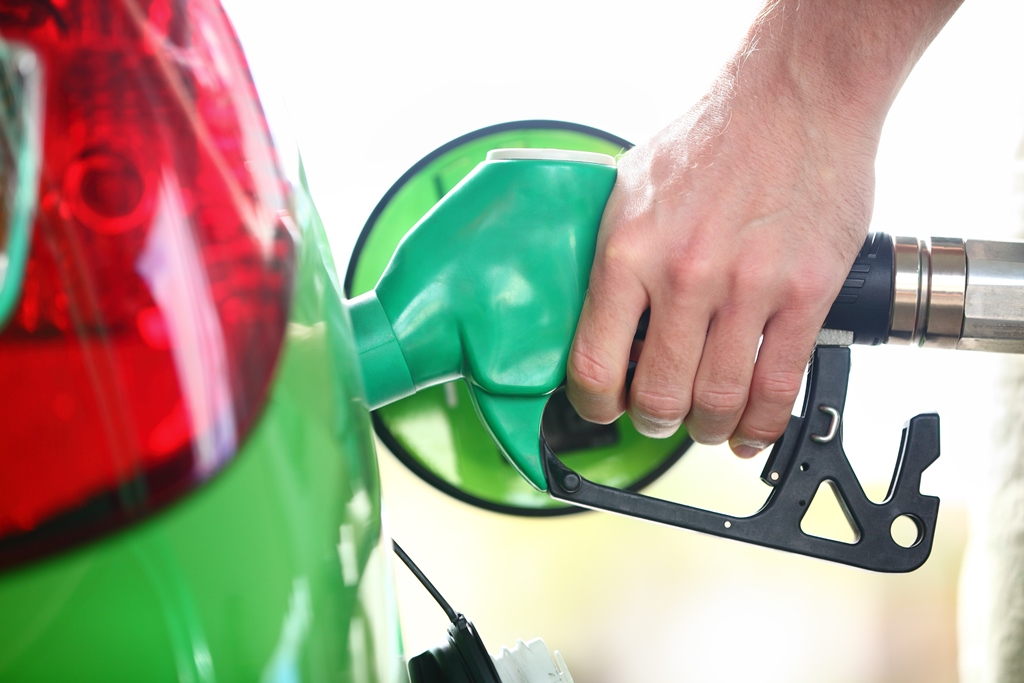
The Ministry of Mines and Energy (MME) published, this Monday (1), the 2025 edition of the Brazilian Energy Review. The document, which presents data from the year 2024, consolidates information from various sources, such as the Energy Research Company (EPE), the National Electric Energy Agency (ANEEL) and the National Agency of Petroleum, Natural Gas and Biofuels (ANP), in addition to offering a comparative perspective from an international point of view, with countries of the Organization for Economic Cooperation and Development (OECD) and global averages. The National Secretary for Energy Transition and Planning, Gustavo Ataíde, highlighted that the Review is yet another instrument for monitoring energy policies. "This new edition of the Energy Review highlights the continuous improvement of sector policies and reaffirms the path of utilizing national resources and diversifying the energy matrix. We will continue working to strengthen the energy transition and ensure Brazil's leading role in the global scenario," he stated. In this sense, the edition confirms that renewable sources reached 50% of the Brazilian energy matrix in 2024, an increase of 0.9% compared to the previous year. With this, Brazil occupies a prominent position worldwide, with a renewable share almost four times higher than the global average of 14.2% and significantly above that seen in OECD countries (13%). This growth was mainly driven by the expansion of solar energy, which registered an increase of 33.2%, followed by wind power (12.4%) and vegetable oils (28.35%). One of the highlights was the Internal Energy Supply (OIE), which reached its highest historical level, reaching 322 million tons of oil equivalent (toe), with a growth of 2.4% compared to 2023. While renewable sources advanced, non-renewable sources remained stable, with a slight decrease in the consumption of oil and derivatives. In the transportation sector, final energy consumption grew by 2.7%, with a notable increase in the use of biofuels: ethanol registered a 15.6% rise and biodiesel, 19.2%. This trend was reinforced by the enactment of the Future Fuel Law (14.993/24), which establishes mandates for biofuels, biomethane, and green diesel. In the field of energy efficiency, Brazil showed consistent progress. The ODEX Index, which measures the country's efficiency gains, indicates that in 2023 we were 11.8% more efficient than in 2005. This is a result of the strengthening of government policies and programs, such as the National Program for Energy Conservation (Procel), which, since 1986, has saved approximately 263 billion kilowatt-hours (kWh). The Brazilian Energy Review 2025 reaffirms Brazil's role as one of the nations with the cleanest and most diversified energy matrix in the world, in line with its climate commitments and the construction of a more secure and inclusive energy future. The Ministry of Mines and Energy (MME) provides an interactive online dashboard with all the data from the Review, ensuring transparency and usefulness for researchers, companies, and citizens.
This text was translated by machine from Brazilian Portuguese.