Monsoons are seasonal winds that change direction according to the season of the year, and at certain times of the year they can carry humid air from the ocean to the continente or dry air from the continente to the ocean. This phenomenon happens approximately 25% of the tropical área of the planet, but it’s effects are more visible in South and Southeast Asia, especially in countries like India, Thailand, Pakistan and Bangladesh.
Access our reports about weather in Asia here.
The Asian monsoons are the most intense on the planet, known as the summer monsoons, occur between the months of June to August and can be calmer in some countries and more aggressive in others.
The phenomena caused by the monsoons are: intense and persistent rains; typhoons; storms; floods; landslides; and floods.
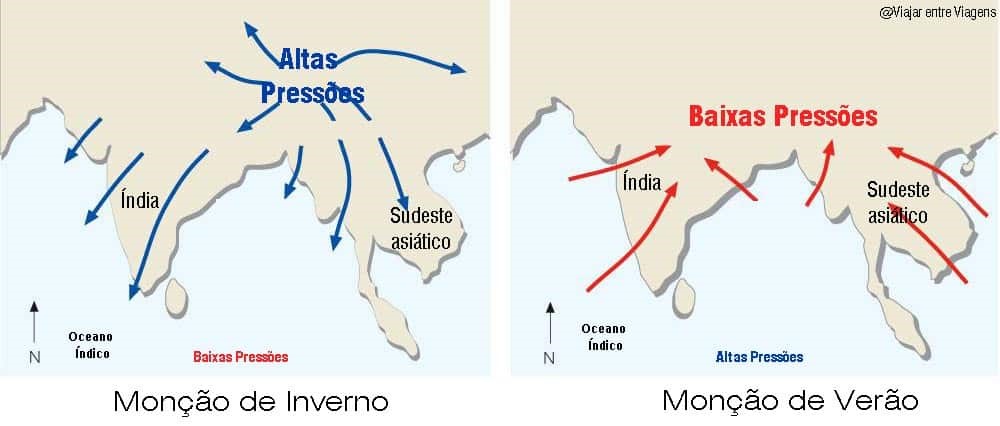
Figure 1. Formation of winter and summer monsoons.
Source: Viajar entre viagens, 2021
How do monsoons arise?
Maritime monsoon: during the summer, the continent tends to heat up more quickly, reaching an average temperature of 40°C, and in the ocean an average temperature of 20°C. This makes the air on the continent warmer and rises to the higher areas of the atmosphere, which makes the humid air existing over the ocean move quickly to this region, which starts to suffer from the rains in that region. time course.
Continental monsoon: during winter, the humid air that was concentrated on the continent starts to move towards the ocean, which at that time has a lower atmospheric pressure. With that, the humidity of the continent decreases considerably, proportional to the occurrence of an extensive and severe period of drought.
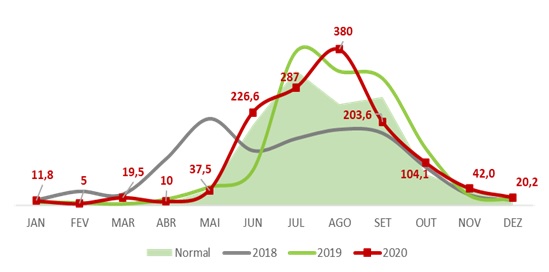
Figure 2. Observed volume of rainfall in India.
Source: DATAGRO/IMD
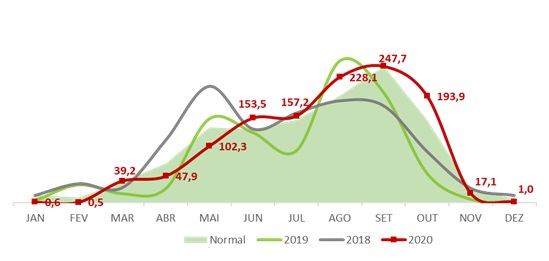
Figure 3. Observed volume of Rainfall in Thailand.
Source: DATAGRO/TMD
Datagro monitors the behavior of monsoon rains in the countries of India and Thailand on a weekly basis, and it is possible to follow up on the Climate Alerts.