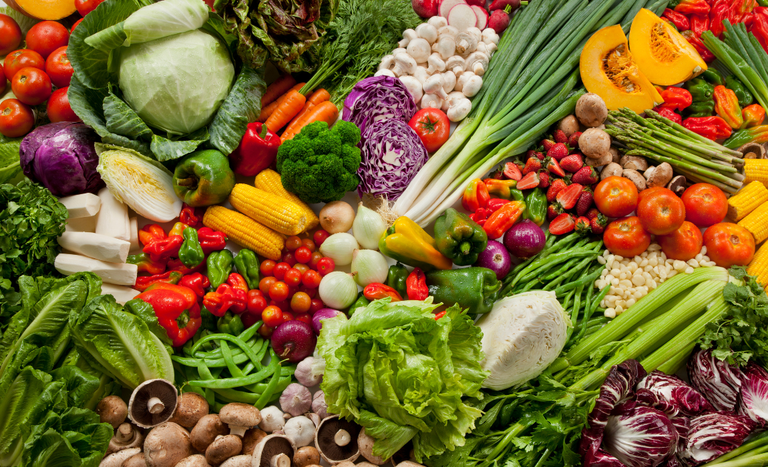
The Ministry of Agriculture and Livestock (Mapa) launched, this Tuesday (26), the XXII National Campaign for the Promotion of Organic Products 2026. The launch took place at the Ministry's headquarters and brought together authorities, representatives of civil society and rural producers. With the theme "Health in the Field and on the Table", the 2026 edition seeks to highlight that the health promoted by organic production systems begins in the field, through sustainable agricultural practices that respect the environment and preserve the health and quality of life of farmers and rural workers. The initiative also highlights the benefits of offering healthy and sustainable food to the Brazilian population. "This campaign reinforces, in an increasingly necessary way for Brazil and the world, that the health of the population begins in the way we produce food, take care of the soil, protect water, preserve biodiversity and value the people who live and work in the countryside," said the Deputy Secretary for Rural Development of Mapa, João Crescêncio. During the event, Crescêncio highlighted that the promotion of organic and agroecological production is directly related to production systems that respect life in its environmental, social, economic, and human dimensions. According to him, it is an agricultural model that reduces exposure to synthetic chemical inputs, protects producers and consumers, strengthens food security, and contributes to more sustainable and inclusive development. Among the campaign's objectives are raising public awareness about the benefits of organic and agroecological production, strengthening public policies focused on the sector, valuing farmers involved in national organic production, encouraging conscious and sustainable consumption, and expanding integration between the federal government, civil society, and organic production networks throughout the country. The Director of Planning and Strategy of the Unified System for Attention to Agricultural Health of the Secretariat of Agricultural Defense (SDA/Mapa), Judi Nóbrega, emphasized that the campaign strengthens a permanent environment of cooperation and collective construction, essential for improving public policies aimed at the sector. “It is precisely in this environment of dialogue, institutional strengthening, and social participation that we advance in inspection actions and control mechanisms, guaranteeing the integrity of Brazilian organic production,” he said. Currently, the organic production agenda involves two areas of action within the Ministry of Agriculture, Livestock and Supply (Mapa): the Secretariat of Agrarian Development (SDA), responsible for inspection actions, and the Secretariat of Rural Development (SDR), responsible for promoting and fostering organic and agroecological production.
INSTITUTIONAL PARTNERS
Conducted through coordinated efforts between federal government agencies, civil society, and organic production networks, the National Campaign for the Promotion of Organic Products constitutes a space for mobilization, dialogue, and institutional strengthening around agroecology and organic production in Brazil. According to Patrícia Tavares, executive secretary of the National Commission for Agroecology and Organic Production (CNAPO) of the General Secretariat of the Presidency of the Republic, discussing organic agriculture, agroecology, and agricultural policies means placing food at the center of the debate on the country's development. "As President Lula always emphasizes, combating hunger is a priority. And combating hunger doesn't just mean producing food, but ensuring that it reaches the population's table with quality. This requires public policies that guarantee production, marketing, and access to healthy food," she stated. During the launch, Fabiano Gomes, representative of the National Commission for Organic Production, read the Annual Charter of the CPOrg and the Commissions for Organic Production in the Federal Units (CPOrg-UF). According to him, the objective is to ensure that the organic sector continues to advance and that regulatory instruments are updated according to the segment's demands. The 2026 edition also highlights the importance of integration between government agencies and participatory bodies in the implementation of the National Plan for Agroecology and Organic Production (Planapo), recognizing that promoting health in the field and at the table depends on intersectoral strategies built collectively, democratically, and participatively. The ceremony was attended by the Secretary of Agricultural Policy of the Ministry of Agriculture, Livestock and Supply (MAPA), Guilherme Campos; the Director of Rural Environmental Management Policies of the Ministry of Environment and Climate Change (MMA), Daniel Peter Beniamino; and the Coordinator of Agroecological Transition of the Ministry of Agrarian Development and Family Agriculture (MDA), Ynaiá Bueno.
WHO IS AT THE TOP
The event also included the participation of rural producers working in organic production. Producer Bernadeth Oliveira highlighted the importance of the commitment to producing healthy food for Brazilian families. “Like my mother, I believe that every woman who produces in the countryside works with a lot of love, care, and effort, bringing health, care, and dignity to people's tables,” she stated. Producer Isaú Nascimento, from Amapá, reported that in 2023 he officially obtained certification and declaration of organic production, making his organization the first declared Social Control Organization (OCS) in the state. “We are still pioneers in this process in our state, but we believe that we will grow along with the other states that already have a more advanced trajectory in organic production,” he celebrated. At the end of the event, registration certificates were given to producers from the “Pitaia Luz” OCS, from the Federal District, in recognition of initiatives that strengthen local production and consumption circuits and expand the population's access to organic food.
This text was translated by machine from Brazilian Portuguese.