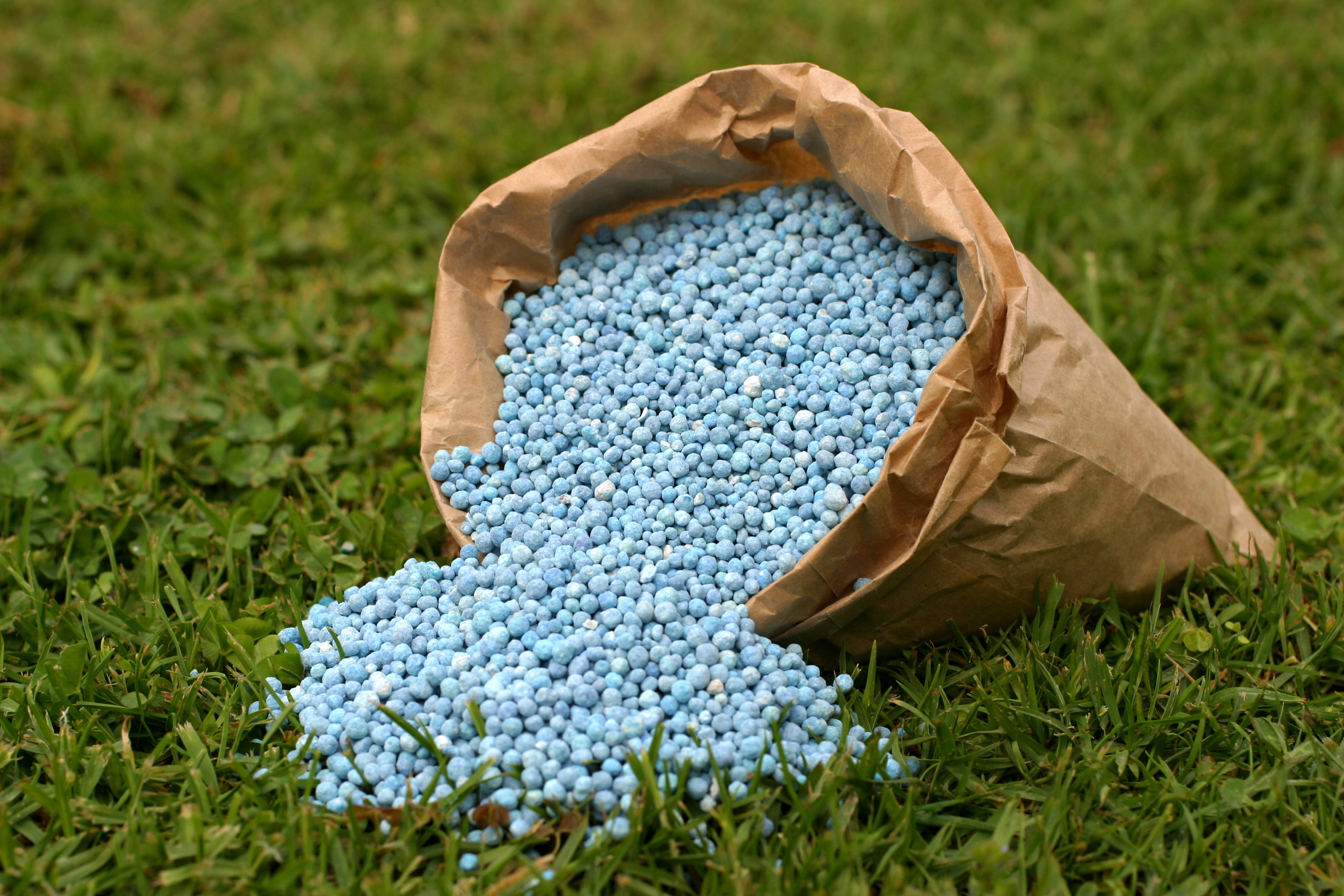
Tensions in the Middle East are impacting the pockets of Brazilian farmers and could further increase the costs of the 2026/2027 grain harvest. This is according to a survey by the Confederation of Agriculture and Livestock of Brazil (CNA) released on Thursday (21). With fertilizer purchases for the 2026/2027 harvest concentrated in the second half of the year, this is the most critical time for producer planning. The analysis shows that, between January and April 2026, the volume of imported nitrogen and phosphate fertilizers fell from 7.7 million tons to 7.4 million tons, representing a 4% drop compared to the same period of the previous year. At the same time, the amount spent by the country on imports increased by 16%, a direct reflection of the conflict and the impacts of logistical costs. Fertilizer prices rise, but soybeans and corn do not follow suit – According to the CNA, the most worrying data is not only the price of fertilizers, but the deterioration of the terms of trade. To buy the same amount of fertilizer, the producer needs to deliver more sacks of soybeans or corn than in previous years. In 2026, this equation is worse than in 2022, a year marked by the beginning of the war between Russia and Ukraine, when input prices also skyrocketed, but agricultural commodities were operating at historically high levels. Data from the Campo Futuro project, of the CNA/Senar System, shows that the average price per ton of urea to the producer increased by 40% during the period of the Middle East conflict. In the phosphate group, the average price of MAP rose by 20%. On the other hand, soybean (+0.9%) and corn (+0.1%) prices remained practically stable during the same period.
External dependence remains a weakness.
Brazil is highly dependent on external sources for its agricultural inputs. Approximately 93% of the fertilizers used in Brazil are imported. Any external shock, whether from armed conflict, trade sanctions, or logistical crises, almost immediately translates into higher costs for Brazilian agriculture.
High prices lead to a market reconfiguration.
Faced with high prices, producers have been seeking less concentrated sources. In this context, in 2025 China surpassed Russia and took the lead in fertilizer exports to the Brazilian market. The main exporters last year were China (26%), Russia (25%) and Canada (11%). During the conflict, a continuation of the shift is observed, with an increase in imports of less impacted products, such as potassium, where countries like Turkmenistan (8%) now figure among the top five suppliers in the period from February to April.
This text was translated by machine from Brazilian Portuguese.