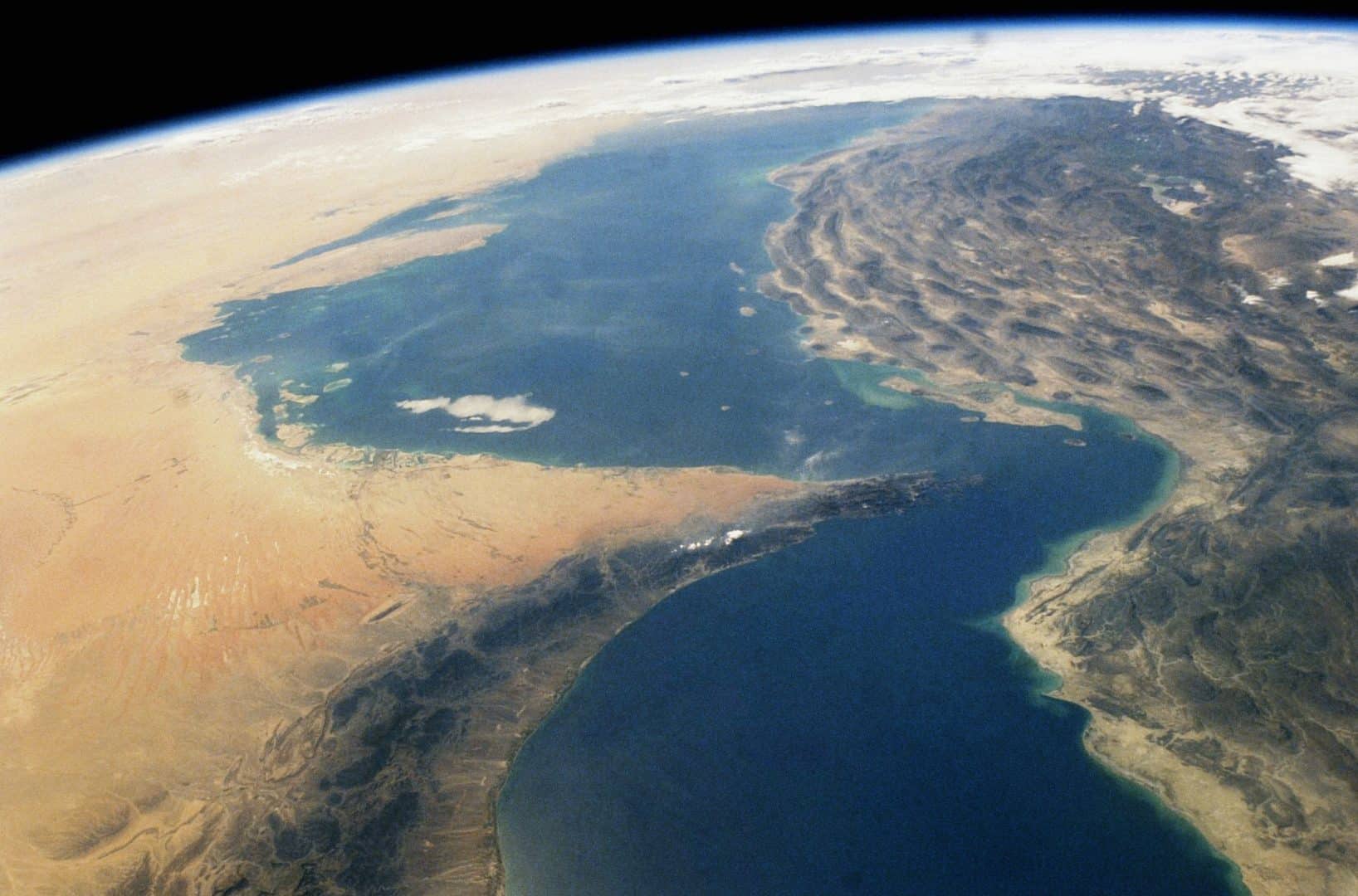
The closure of the Strait of Hormuz represents the beginning of a crisis in the agricultural system that will lead to a drastic increase in food prices in the next six months. This is the estimate of the chief economist of the Food and Agriculture Organization of the United Nations (FAO), Maximo Torero. He recommends that governments and institutions begin to think about ways to expand the absorption and adaptation capacity of countries to minimize these impacts. Price increases According to the UN agency, time for preventive measures is running out. Decisions on the import and use of fertilizers will have a direct impact on food prices. The agency's monthly monitoring already registers increases, driven by high energy costs and the conflict in the Middle East, says a note from "UN News". In April, Brazilian beef exports drove the global increase due to the limited supply of cattle herds. Demand from African markets for chicken meat, produced in the region, compensated for declines in trade with the Middle East, but abruptly increased the price of this product category.
Reducing the impacts
By the end of the year, the situation could worsen due to the effects of the El Niño climate phenomenon, which is expected to raise temperatures in the Pacific Ocean, altering global atmospheric circulation. This climate change causes severe droughts in some regions and intense rainfall in others. Current measures to mitigate the economic impact involve the use of alternative land and sea routes, but with limited capacity. To avoid inflation in the short term, it will be necessary to obtain more trade routes, protect humanitarian flows, avoid export restrictions, and build strategic reserves to absorb higher transportation costs. For the coming years, the FAO considers the adoption of sustainable measures essential, such as investment in renewable energy and precision agricultural technologies to prevent new crises.
This text was translated by machine from Brazilian Portuguese.