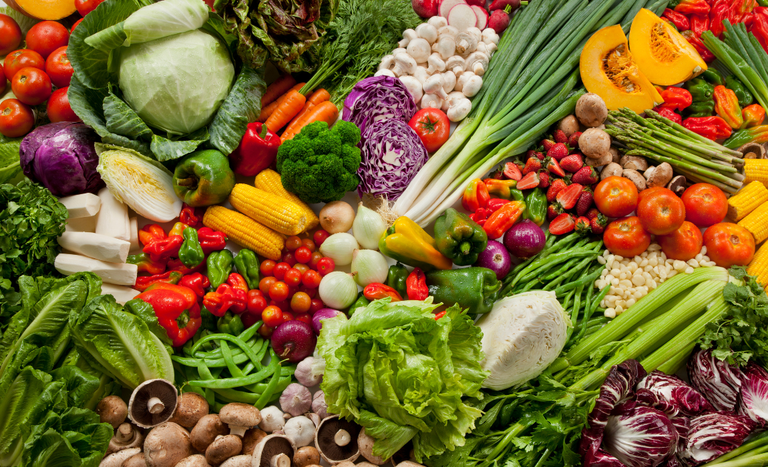
Brazilian fruit and vegetable exports grew 12% in the first four months of the year compared to the same period in 2025, reaching a turnover of US$532.3 million, according to the 5th Bulletin of the Brazilian Program for Modernization of the Fruit and Vegetable Market (Prohort), released by the National Supply Company (Conab) this Friday (22). In April, the country sent 456 thousand tons abroad, mainly to European and Asian countries and the United States. The highlight was fruits, especially apples, followed by melon, mango, watermelon, avocado and banana.
Domestic market
Apple prices continue to fall in Brazil's main wholesale markets (Ceasas). In the weighted average for April, the fruit became 8.06% cheaper at the wholesale level. The survey also indicates a 5.94% drop in the weighted average of lettuce prices, which had been rising since November, and a slight reduction of 0.98% for oranges, maintaining the trend of previous months. The increased supply of apples in the Ceasas monitored by the Company, driven by the progress in the harvest of the Fuji variety, explains the price dynamics, which reached 35% lower prices in Goiás. For oranges, the lowest prices were found in Pernambuco (-6.79%) and Paraná (-5.73%). The largest increase in the price of the fruit was observed in the state of Rio de Janeiro (6.07%), which did not impact the stability in the average price in recent months. Papaya and banana showed slight increases in the weighted average for April. For papaya, the average price increase was 0.56%. The research indicates a lower supply of the papaya variety in the country's main producing regions. For bananas, the increase was 1.97%. In percentage terms, the positive price movement is lower than last month's. In the markets of Minas Gerais, the main supplier, the supply of the Prata variety increased due to increased demand and improved distribution. Among the fruits analyzed, watermelon showed the largest positive percentage variation, reaching values 24.36% higher on average, driven by decreased supply. The largest increases were observed in the wholesale markets of Recife (45%) and Goiânia (44%). In the state of Goiás, although shipments from producing regions increased, demand also remained strong. Vegetables – With the exception of lettuce, the prices of the main vegetables sold in the supply units of Brazilian capitals increased. According to the Bulletin, the lower availability of supply contributed to this scenario. For lettuce, Conab identified the largest drops in the weighted average in Rio de Janeiro (-19.11%) and São Paulo (-18.32%), the largest national producer. The largest increase was observed in the Recife wholesale market, corresponding to 48.89%. Besides availability, the variation in lettuce prices is linked to climatic conditions and local supply. In April, milder temperatures favored the productivity and quality of the vegetable. Potatoes and tomatoes showed increases of 12.53% and 12.55%, respectively, in the weighted average of prices. In the tuber market, which has been heated since February, the largest increases in prices were found in the wholesale markets of Curitiba (25.77%) and Goiânia (25.12%). The transition between harvests and the reduction in supply, especially for production from Paraná, explain the dynamics of prices measured in the wholesale market. For tomatoes, which have been rising in value since December, quoted prices reached 23.66% higher in Ceará. Overall, the lower supply of the fruit in April is influenced by the weather and the transition from the summer to the winter harvest. Onions showed growth in all the wholesale markets analyzed by the Company, with a weighted average equivalent to 23.03%. Despite remaining high, the percentage decreased compared to the previous month. According to the Company's survey, the availability of the product in the market should increase in the coming months. Responsible for most of the country's supply, Santa Catarina registered a 13.1% increase in production compared to the last harvest. Among the vegetables analyzed, carrots showed the most significant increase, with a weighted average 48.58% higher. The value is lower than that verified in March, but it is still high in all the monitored wholesale markets. Belo Horizonte stands out with a 59.62% increase, and Vitória with 59.30%. The supply of the root has been impacted by demand pressure on Minas Gerais, the largest supplier to the Ceasas (wholesale markets). Exports – The volume of Brazilian exports grew 12% compared to the first four months of 2025, with revenues of US$532.3 million. In April, the country sent 456,000 tons abroad, mainly to European and Asian countries and the United States. Fruits were the highlight, especially apples, followed by melon, mango, watermelon, avocado, and banana.
This text was translated by machine from Brazilian Portuguese.