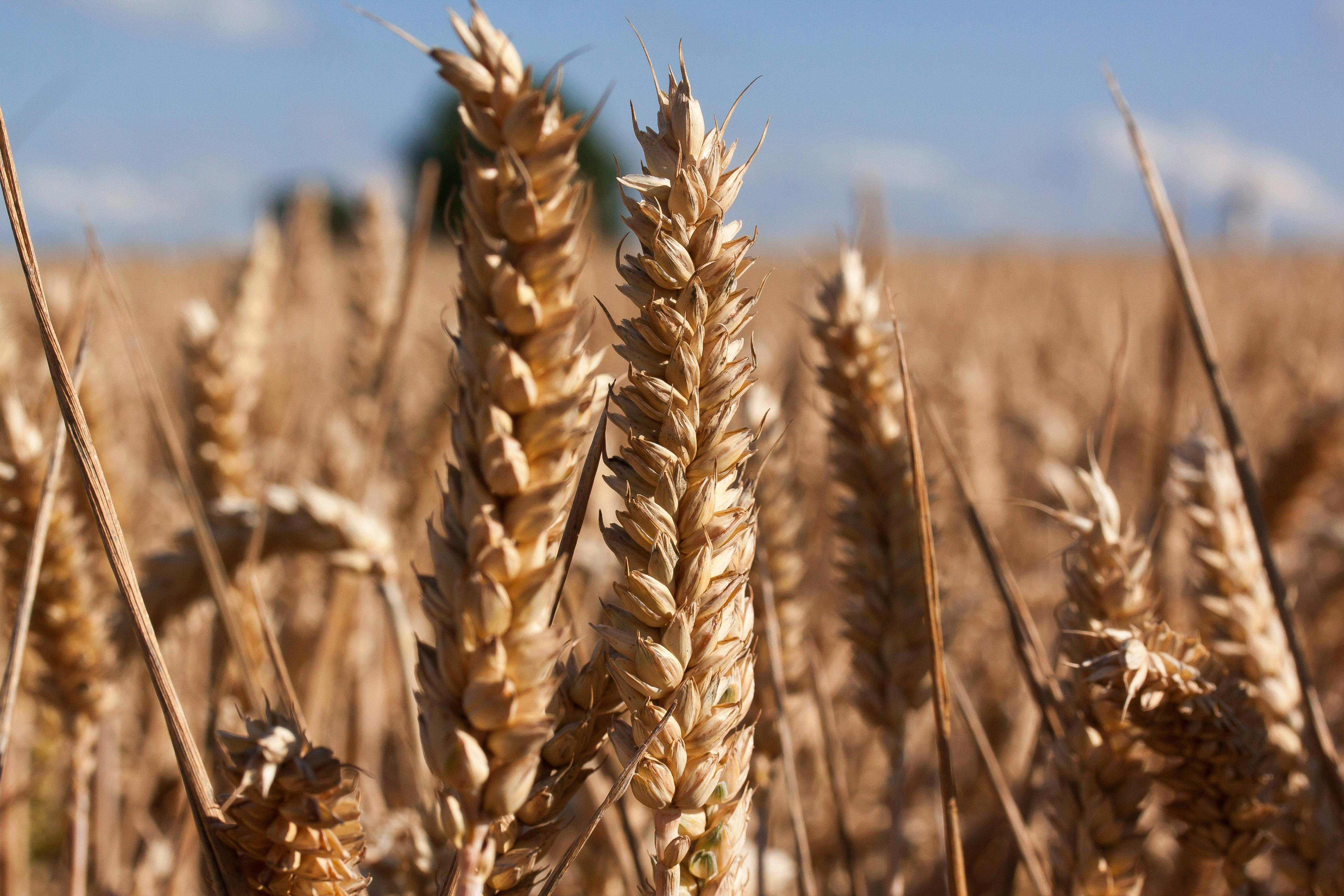
Australia's wheat production is projected at 29.0 million tons in the 2026/27 crop year, a 19% decrease compared to the previous cycle, according to estimates from… United States Department of Agriculture (USDA)The Australian Agricultural Research Corporation (CSA), through its attaché in Canberra, reported that the harvest volume is approaching the average of the last ten years, following a previous season favored by more positive weather conditions. The harvested area is expected to decrease by approximately 600,000 hectares (-4.8%), mainly impacted by drought in southern Queensland and northern New South Wales. Furthermore, the increase in nitrogen fertilizer prices—associated with tensions in the Middle East—has led producers to revise their winter planting programs. Yields are projected at 2.46 tons per hectare, below the 2.90 t/ha recorded in the previous season, but still 3.3% above the historical average. The expectation is for normalization after the high productivity levels observed in 2025/26. The market is also monitoring the possible formation of an El Niño event throughout 2026, which tends to bring drier conditions to eastern Australia. This phenomenon could affect critical stages of crop development, such as grain filling. Wheat consumption is estimated at 8.6 million tons, a decrease compared to the 9.1 million tons of the previous harvest. This reduction reflects the partial substitution of wheat with barley in animal feed, as this crop requires less nitrogen fertilizer. Australian exports are projected at 23.5 million tons, a decrease of 2.5 million tons compared to the 2025/26 season, reflecting lower production. Indonesia remains the main destination, accounting for approximately 20% of exports. The Philippines are gaining relevance, while China is losing ground and becoming a secondary market, alongside Thailand, Vietnam, South Korea, and Japan.
This text was translated by machine from Brazilian Portuguese.