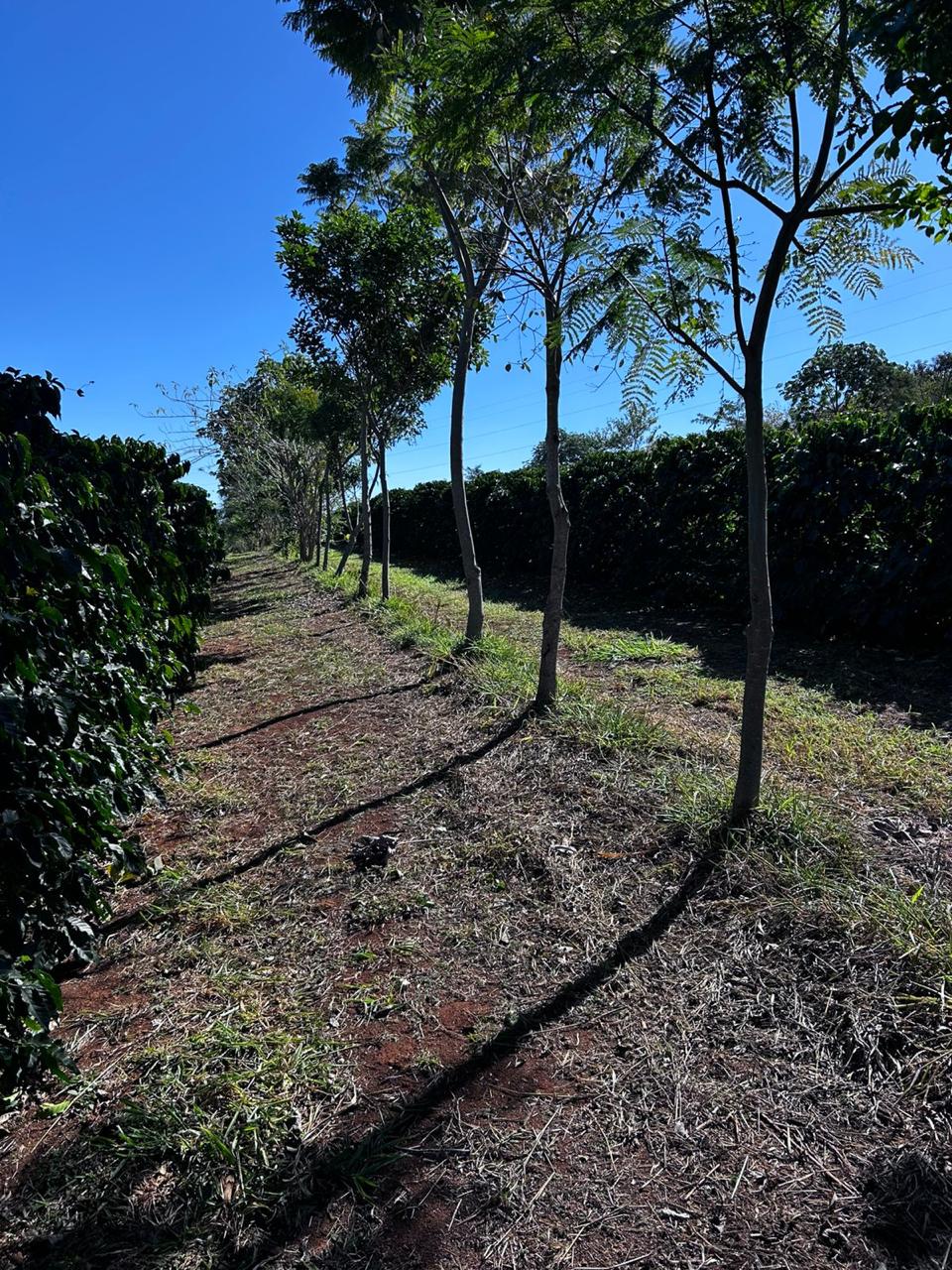
Cooxupé has just achieved an unprecedented milestone for Brazilian agribusiness: the production and commercialization of carbon units generated in the value chain from the afforestation of coffee plantations. This initiative is part of the Regenerative Coffee Farming Project, structured by the cooperative, and places Brazil at the forefront of a production model that combines sustainability, innovation, and value creation for the producer. The pilot project involved 12 cooperative members, covering an area of 43.27 hectares, with the insertion of regenerative systems and tree corridors in the plantations. As a result, 649.94 tons of carbon were sequestered, with R$ 104,601.59 distributed to the participating cooperative producers. In total, 5,000 seedlings were also donated, strengthening biodiversity on the properties. The operation was made possible through a partnership with a Cooxupé client, who acquired the credits using the insetting model, meaning that the production chain itself invests in reducing emissions at its source. The resources were passed on to the cooperative members, consolidating a new source of income linked to sustainability. “The project demonstrates that it is possible to integrate productivity, quality, and environmental responsibility in the same system, with direct benefits to the cooperative member,” highlights Natalia Fernandes Carr, ESG manager at Cooxupé. :: Science and Innovation Structured throughout 2024, the Regenerative Coffee Farming project was born from a solid technical base and the search for viable solutions for Brazilian coffee farming. Cooxupé partnered with researcher Madelaine Venzon, from EPAMIG, incorporating scientific knowledge into the use of plants with extrafloral nectaries (such as ingá, erva-baleeira, fedegoso, fedegosinho, and erythrina) to attract natural enemies of pests and increase biodiversity. Other organizations are also part of the initiative. GrowGrounds is responsible for structuring and commercializing carbon credits, while Clima Café focuses on recommending tree species with the greatest potential for carbon sequestration and economic value, in addition to providing technical support in management. Monitoring and certification utilize technologies such as satellite imagery, drones, and georeferencing, ensuring precision in measuring sequestered carbon. Field sampling validates the results obtained every five years. :: A new model for coffee farming More than a one-off project, the initiative represents a structural change in the production model, integrating trees into crops through regenerative systems. This practice promotes environmental gains, improves ecological balance, and strengthens the resilience of farms in the face of climate challenges. Participating cooperative members are distributed across the main operating regions of Cooxupé, with seven in Southern Minas Gerais, three in the Cerrado Mineiro, and two in the Matas de Minas, reinforcing the potential for replicating the model in different production realities. Expansion and New Markets: The project is now entering a new phase, with the opening of a call for applications to attract more cooperative members and the involvement of the international certification body Gold Standard, one of the most recognized in the world. This will allow carbon credits to also be traded using an offsetting model, expanding the initiative's reach beyond the coffee supply chain. “The 'Regenerative Coffee Farming' project reinforces the role of the cooperative member as a central agent in building sustainable solutions. In addition to meeting the demands of the international market, the initiative creates real income-generating opportunities and strengthens the competitiveness of Brazilian coffee farming. This is the first project in Brazil to generate carbon units from the afforestation of coffee plantations. An advance that connects the field, science, and the market and points to the future of coffee production,” concludes Natalia.
This text was translated by machine from Brazilian Portuguese.