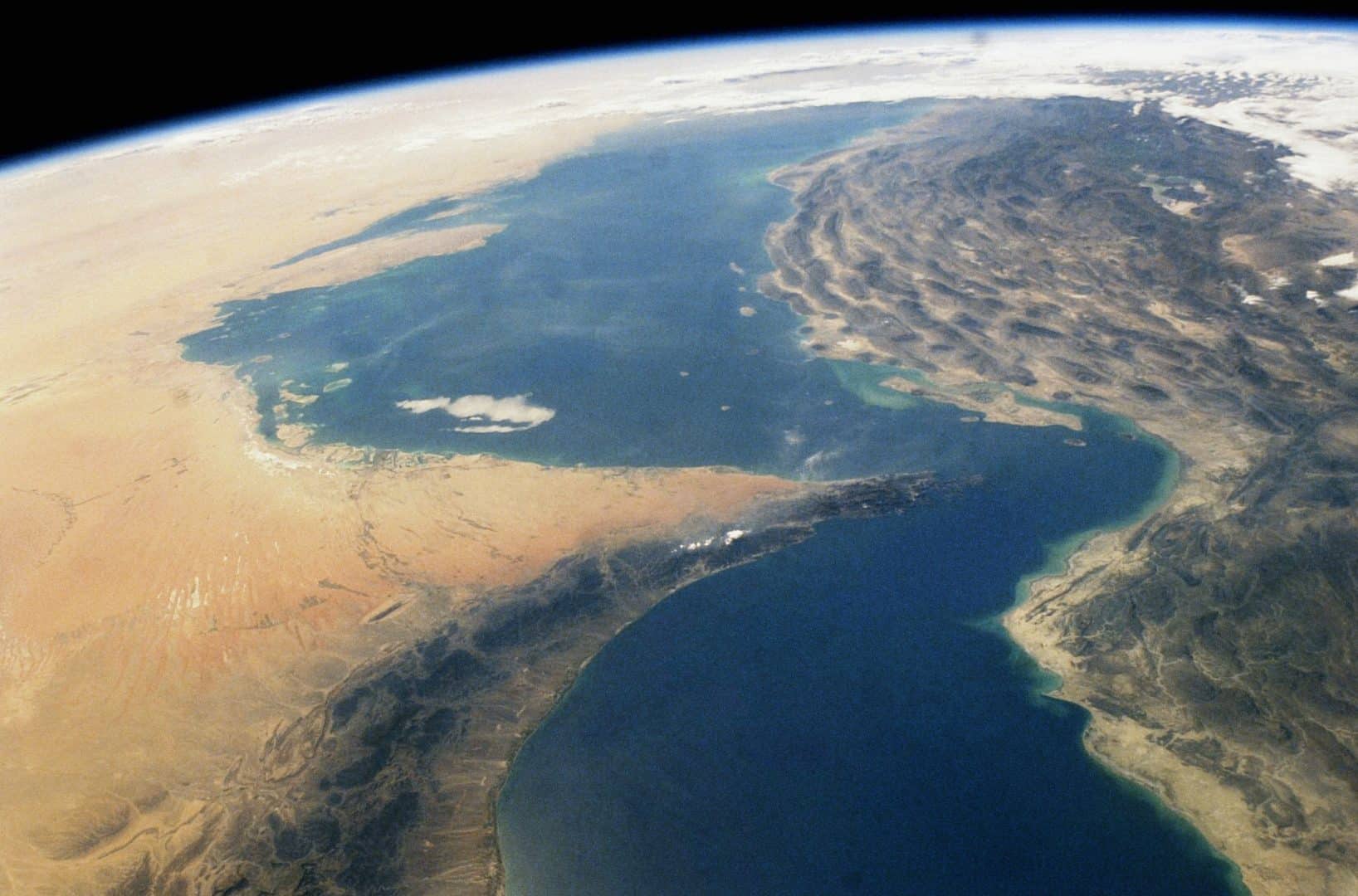
Disruptions to shipping in the Strait of Hormuz, linked to the conflict in the Middle East, threaten to strangle the flow of fuels and fertilizers needed for the next agricultural harvest. The Food and Agriculture Organization of the United Nations (FAO) warns that if ships do not start moving soon, the world risks rising food prices and a new wave of inflation later this year. :: Similar effects to Covid-19 The FAO believes the situation could trigger cascading effects similar to those seen after the Covid-19 pandemic crisis. The agency's chief economist, Máximo Torero, stated that the risks are very clear and could escalate rapidly. He explained that between 30% and 35% of crude oil is not being moved, as well as 20% of natural gas and 20% to 30% of fertilizers. The expert added that there are currently sufficient supplies and stocks that make the agri-food system resilient to this shock. :: Pressure on the next agricultural harvest According to "UN News," however, Torero warned that "this safety margin may be short-lived." He stated that as planting decisions are made in the coming weeks, farmers will face higher costs and limited access to fertilizers. This could reduce the use of inputs or alter crops, decreasing productivity in the next harvest. The FAO's most recent Food Price Index covered the month of March and remained relatively stable, thanks to the ample supply of most food commodities, especially cereals. However, pressure is increasing in April and will intensify in May. :: Uncertainty in peace negotiations The FAO said that if the impasse in the Strait of Hormuz is not quickly resolved, preventive measures should be considered. The agency argues that multilateral institutions should provide financing to countries at risk of losing access to basic fertilizer inputs, given that planting has already begun. Although the ceasefire between the United States and Iran briefly raised expectations that maritime traffic could resume, uncertainty remains high. Talks between the two countries, mediated by Pakistan, this weekend did not result in any significant progress. Many vessels remain stranded in the Gulf, with new cargoes still waiting to enter the strait. Even if tensions ease, the normalization of traffic could take days or weeks.
This text was translated by machine from Brazilian Portuguese.