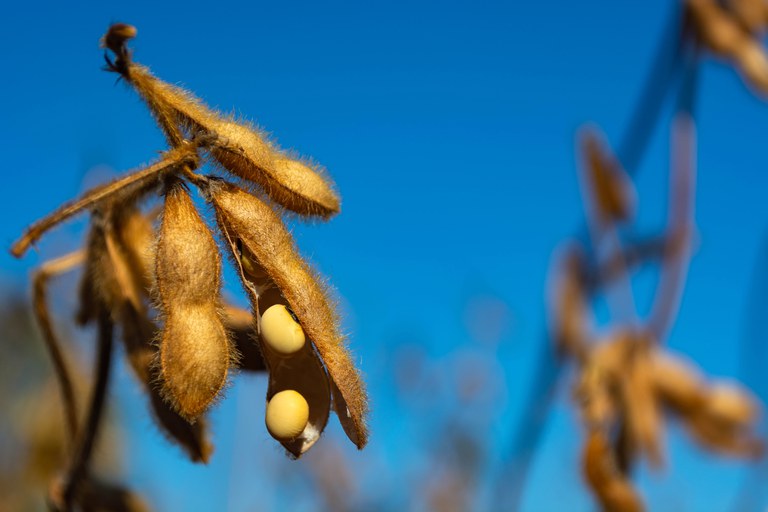
With the release of the sanitary break periods and the soybean planting calendar for the 2026/2027 crop, the Confederation of Agriculture and Livestock of Brazil (CNA) emphasizes the importance of proper crop management to guarantee productivity and avoid diseases. The sanitary break and planting periods are in Ordinance SDA/MPLSA No. 1,579, published on Friday (10) in the Official Gazette of the Union. The Ministry of Agriculture maintained the periods adopted in the 2025/2026 crop in the main producing states, but defined changes in Bahia, which now has four distinct regions for defining the sanitary break and planting windows. According to the technical advisor of the National Commission of Cereals, Fibers and Oilseeds of the CNA, Tiago Pereira, compliance with phytosanitary measures, combined with constant monitoring and control of volunteer plants, is decisive to reduce the incidence of Asian rust and guarantee productivity. “The fallow period remains one of the main tools to interrupt the fungus's cycle, by eliminating the presence of live soybean plants during the off-season. The planting calendar helps reduce crop overlap and limit the spread of the disease throughout the production cycle,” he explains. Tiago Pereira warns of the increase in cases of Asian soybean rust in the 2025/2026 crop season compared to the previous cycle. In Paraná, for example, records increased from 66 to 156 cases. In Mato Grosso do Sul, they rose from 12 to 70; while in Rio Grande do Sul the number increased from 25 to 61 occurrences. According to the CNA (National Confederation of Agriculture and Livestock), this scenario is related to several factors, such as climatic conditions favorable to the fungus. “The planting calendar and the fallow period are complementary and fundamental tools for rust management. The increase in records reinforces that the focus needs to be on execution, with rigorous control of volunteer plants and monitoring,” says Pereira.
This text was translated by machine from Brazilian Portuguese.