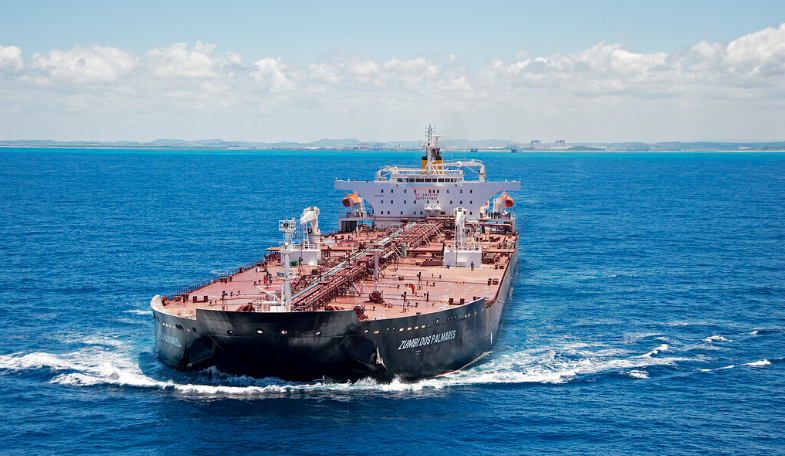
The International Maritime Organization (IMO) has announced its intention to create a humanitarian corridor in the Strait of Hormuz to evacuate ships trapped in the Persian Gulf due to the conflict in the Middle East, according to a report by "Agência Brasil," based on information from "RTP." "I am ready to begin work immediately on negotiations aimed at establishing a humanitarian corridor to evacuate all detained ships and seafarers," stated IMO Secretary-General Arsenio Dominguez at the end of a two-day extraordinary session of the IMO Council in London, according to RTP. The organization, linked to the United Nations, estimates that 20,000 crew members are currently aboard 3,200 ships stranded in the Persian Gulf due to insecurity in the Strait of Hormuz. The region has been blockaded by Iran in retaliation for US and Israeli attacks. "For this to materialize, I will need the understanding, commitment and, above all, concrete actions from all the countries involved, as well as the relevant UN sector and agencies," said Dominguez. :: Europe and Japan The governments of France, the United Kingdom, Germany, Italy, the Netherlands and Japan published a joint statement on Thursday (19) expressing their willingness to open the Strait of Hormuz. "We express our willingness to contribute to the necessary efforts to ensure safe passage through the Strait. We welcome the commitment of the nations that are engaging in preparatory planning," says the joint statement. The statement does not detail how this opening of the Strait would be carried out and comes four days after European countries, in addition to Japan, refused to participate in the efforts of the United States and Israel to open the Strait. The refusal angered President Donald Trump, who began to say that he would not need "anyone" to open the area. Iran's closure of the Strait of Hormuz, through which approximately 20% of the world's oil passes, has shaken financial markets and led to a rise in the price of oil on the global market, with significant economic repercussions worldwide.
This text was translated by machine from Brazilian Portuguese.